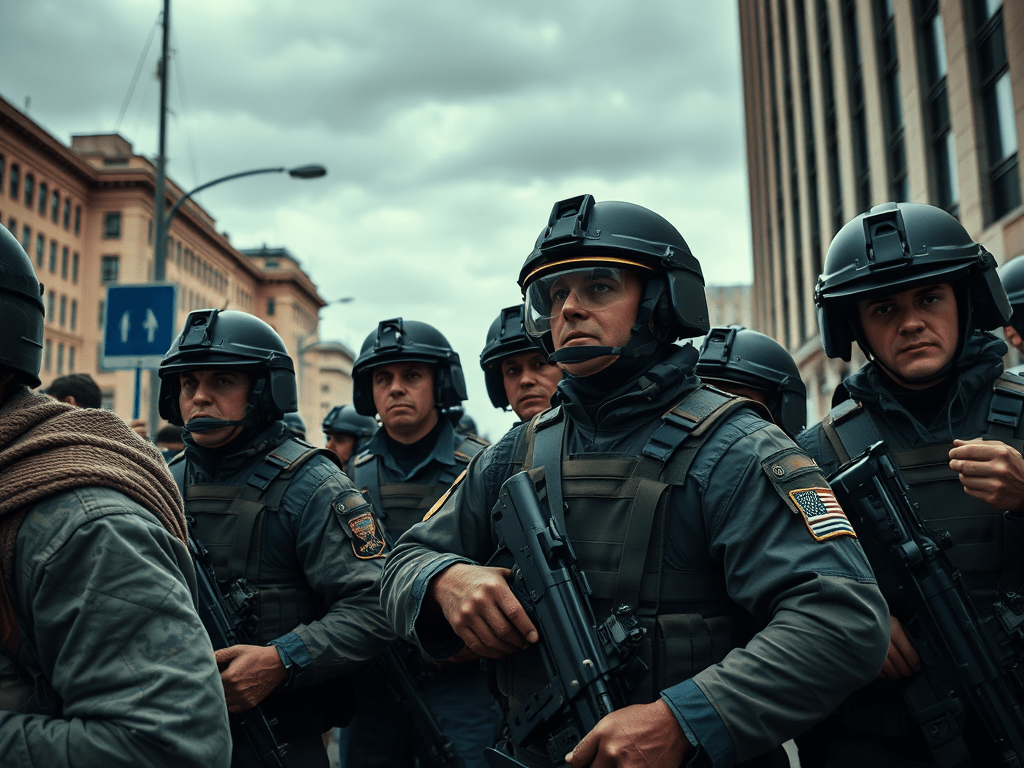
What is Martial Law?
Martial law refers to the imposition of military authority over civilian affairs, typically in times of emergency or civil unrest. Under martial law, normal laws and constitutional rights may be suspended, and the military takes control of law enforcement and public order. This can include curfews, the suspension of civil rights (like freedom of movement), and the military’s ability to enforce laws.
Key Points about Martial Law:
- Situational Context: It is usually declared in response to crises such as natural disasters, civil disturbances, or severe security threats.
- Military Control: The military may take over law enforcement duties, which can include arrests and the enforcement of curfews.
- Suspension of Rights: Citizens may experience restrictions on freedoms, including the right to assemble, freedom of speech, and due process.
What is the Posse Comitatus Act?
The Posse Comitatus Act is a U.S. federal law passed in 1878 that limits the powers of the federal government to use the military for law enforcement. Essentially, it prohibits the military from engaging in domestic policing activities without specific authorization from Congress or the Constitution.
Key Points about the Posse Comitatus Act:
- Limitations on Military Power: It restricts the military from executing civilian laws, ensuring that law enforcement remains under civilian control.
- Exceptions: There are exceptions to the act, such as when military assistance is needed for natural disasters or if Congress specifically authorizes military involvement in civil law enforcement.
- State Laws: Some states have similar laws governing the use of the National Guard or state military forces for domestic policing.
How Do These Concepts Affect You and Your Family?
- Daily Life Under Martial Law:
- Disruption of Normalcy: If martial law is declared, you may face curfews, restricted movement, or checkpoints. This can significantly disrupt daily routines and freedoms.
- Increased Military Presence: Expect a visible military presence in your community, which may lead to a heightened sense of security for some, but fear or anxiety for others.
- Enforcement of Regulations: Military personnel may enforce regulations that can affect your family’s ability to gather, travel, or conduct business.
- Legal Rights:
- Suspended Rights: In a martial law scenario, certain constitutional rights may be temporarily suspended. This means you may have less recourse against unlawful searches or detentions.
- Access to Justice: With military control, access to courts and legal representation could be limited, making it more challenging to seek justice for grievances.
- Impact of the Posse Comitatus Act:
- Military vs. Civilian Law Enforcement: The act is designed to ensure that military forces do not replace local police. This distinction helps maintain a level of civilian control and oversight during emergencies.
- Reliance on Local Authorities: In situations requiring emergency response, you would primarily rely on local law enforcement and emergency services rather than the military.
 inTHEknow