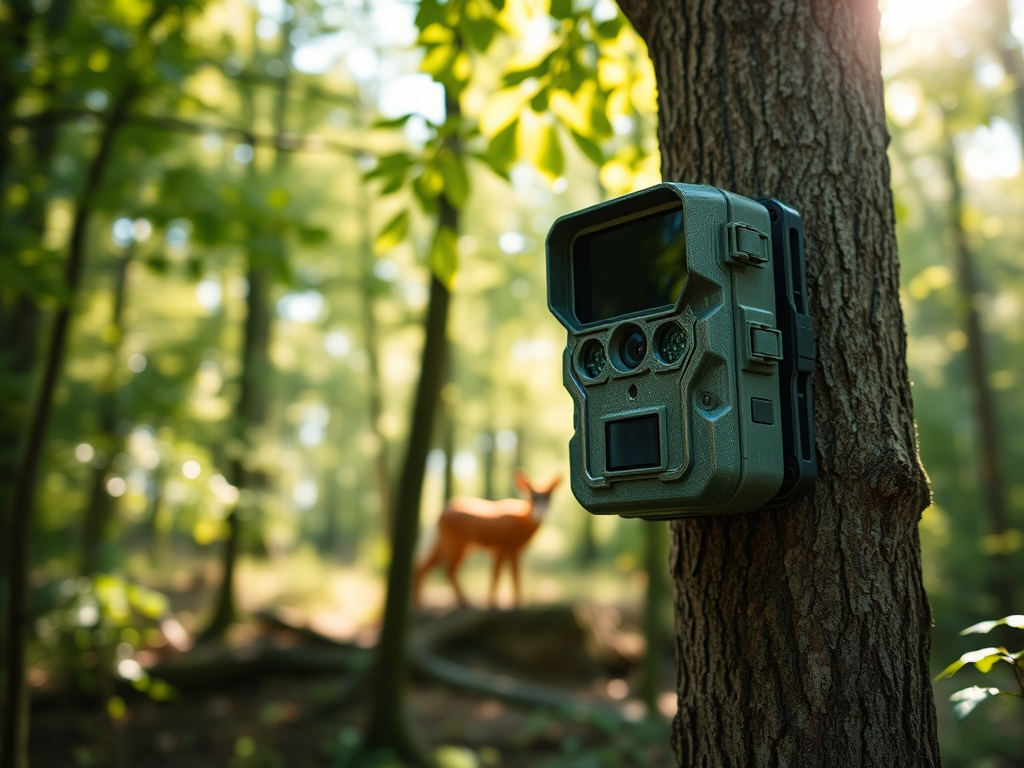
Trail cameras, often associated with hunting, have become increasingly popular for a variety of uses beyond simply tracking game. They provide exciting insights into wildlife behavior, enhance property security, and can even serve as an early warning system for potential intruders. Here’s a closer look at the benefits, fun aspects, and some considerations when using trail cameras.
The Fun of Trail Cameras
- Wildlife Observation: One of the most enjoyable aspects of trail cameras is capturing candid moments of wildlife. Whether it’s deer, foxes, or even rare bird species, trail cameras can provide a window into the natural world that you might not otherwise see.
- Unexpected Discoveries: You might be surprised by what your camera captures—perhaps a family of raccoons raiding your bird feeder or a rare animal passing through. These moments can spark curiosity and deepen your appreciation for local wildlife.
- Family Engagement: Setting up cameras can be a fun family activity. It provides opportunities to teach kids about nature, wildlife tracking, and photography. Checking the footage can become a family event, fostering bonding over shared interests.
The Scary Side
- Intruders and Security: While the idea of wildlife might be exciting, trail cameras can also capture unsettling moments—like trespassers on your property. This can raise safety concerns and prompt a reevaluation of security measures.
- Unexpected Wildlife Encounters: While many people enjoy watching animals, there can be a darker side. Capturing images of larger predators, like bears or coyotes, can be alarming, especially if they’re too close to your home or livestock.
- Privacy Issues: If placed in areas where people may unknowingly pass by, trail cameras could unintentionally capture private moments. It’s essential to consider where and how you place these cameras to respect privacy.
Benefits of Using Trail Cameras
- Security Alerts: Beyond wildlife observation, trail cameras serve as an excellent security tool. They can monitor entry points to your property, alerting you to any unauthorized access or suspicious activity.
- Monitoring Wildlife Impact: For those with gardens or livestock, trail cameras can help monitor animal activity. This information can guide decisions about fencing, feeding, and protecting crops or animals.
- Research and Education: Trail cameras can contribute to citizen science by documenting wildlife behavior and movements. Data collected can help with local conservation efforts and increase awareness of biodiversity.
- Deterrent for Intruders: Just the presence of a trail camera can deter potential intruders. Knowing they are being watched can discourage unwanted activity.
Types of Trail Cameras
- Standard Cameras: These capture still images or video when triggered by motion. They’re versatile for both wildlife observation and security.
- Low-Light and Night Vision Cameras: Equipped with infrared technology, these cameras can capture clear images in low-light conditions, making them ideal for nighttime monitoring.
- Cellular Trail Cameras: These send images directly to your smartphone or email, allowing for real-time monitoring and alerts. They can be particularly useful for security purposes.
- Wireless and Solar-Powered Cameras: These options reduce the need for frequent battery changes and can be positioned in remote areas without access to power.
Trail cameras offer a blend of fun, education, and security. They allow for exciting wildlife observations while providing peace of mind regarding property safety. Whether you’re an avid hunter, a nature enthusiast, or simply looking to enhance your property’s security, investing in trail cameras can be a rewarding decision. Just remember to consider privacy, placement, and the potential for unexpected surprises when setting up your cameras.
 inTHEknow