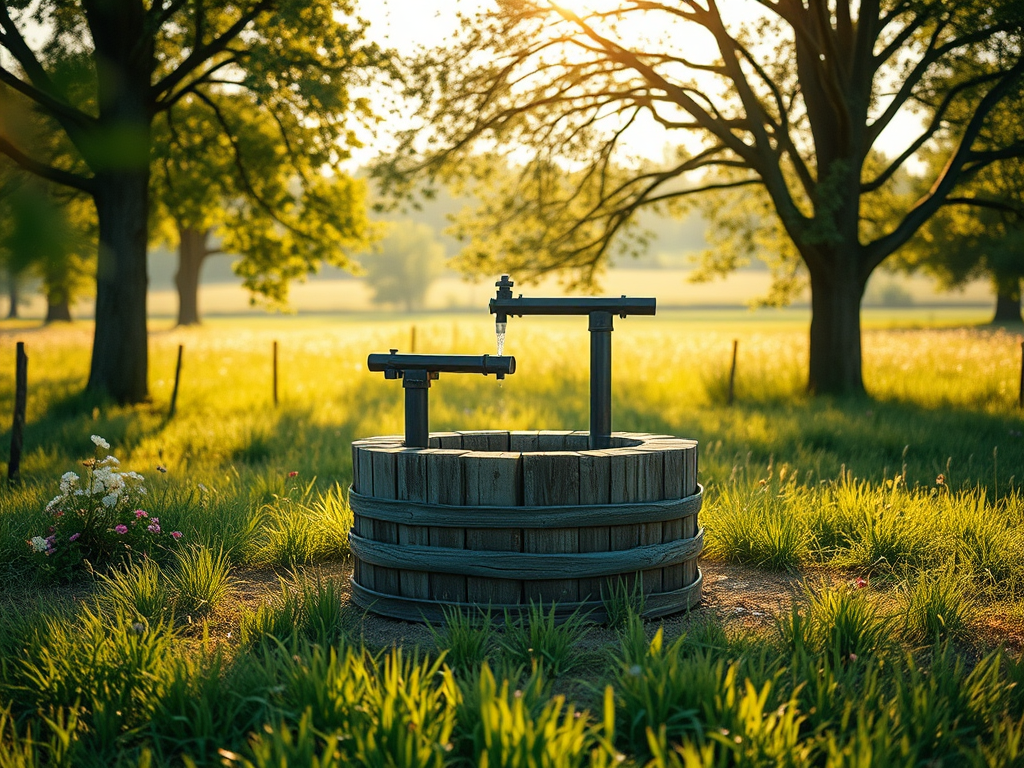
Drilling a well can be one of the best investments for homeowners, particularly those living in rural or semi-rural areas. Access to a private water supply can offer numerous benefits, from independence and cost savings to improved quality of life. However, well ownership also comes with responsibilities, particularly regarding maintenance and potential drawbacks. Here’s a closer look at why drilling a well can be advantageous, the importance of proper maintenance, and how to care for your well effectively.
Advantages of Drilling a Well
1. Independence and Reliability
Having a well provides a reliable source of water that is not dependent on municipal supply systems. In times of drought, water shortages, or emergencies, your well can be a critical resource, ensuring you have access to water for drinking, irrigation, and other household needs.
2. Cost Savings
While the initial cost of drilling a well can be significant, many homeowners find that it saves money in the long run. Instead of paying monthly water bills, you’ll incur lower ongoing costs, primarily related to maintenance and electricity for the pump. This is particularly beneficial for those who use a large amount of water for gardening or livestock.
3. Water Quality
Wells often provide high-quality water, especially when drilled in areas with abundant aquifers. You have the opportunity to test and treat your water according to your preferences, ensuring it meets your family’s standards for purity and taste.
4. Environmental Benefits
Utilizing groundwater can reduce your reliance on surface water sources, which can help alleviate pressure on local ecosystems. Sustainable water management practices can contribute to better conservation efforts in your area.
Importance of Maintenance
1. Regular Testing
It’s essential to test your well water regularly for contaminants such as bacteria, nitrates, and heavy metals. Annual testing helps ensure that your water remains safe for consumption. Many local health departments or private laboratories offer testing services.
2. Routine Inspections
Regularly inspect your well for signs of wear or damage. Check the casing, cap, and surrounding area for potential issues. Look for cracks, leaks, or signs of contamination from surface runoff or nearby septic systems.
3. Pump Maintenance
The pump is a crucial component of your well system. Regularly service it according to manufacturer recommendations. This includes checking for any unusual sounds, vibrations, or performance issues. Keeping your pump in good condition helps ensure efficient water delivery.
Drawbacks to Consider
1. Initial Costs
The upfront cost of drilling a well can be substantial, depending on factors such as depth, soil conditions, and the required pump system. Homeowners should weigh these initial investments against potential long-term savings.
2. Water Table Fluctuations
Groundwater levels can vary due to seasonal changes, drought, or over-extraction. Homeowners should be aware that their well may not always produce the same volume of water year-round. Having a contingency plan for dry spells is important.
3. Maintenance Responsibility
Owning a well means you are solely responsible for its maintenance and any repairs. Unlike municipal water systems, which have dedicated professionals to handle issues, well owners must manage their water supply independently.
Caring for Your Well
1. Proper Well Construction
Ensure that your well is drilled by a licensed professional who follows local regulations and guidelines. Proper construction minimizes the risk of contamination and optimizes the well’s lifespan.
2. Protect the Surrounding Area
Maintain a clean zone around your wellhead. Avoid using fertilizers, pesticides, or hazardous materials nearby, as these can leach into the groundwater. Create a protective barrier to prevent animals from accessing the area.
3. Monitor Water Usage
Be mindful of your water consumption, especially during dry periods. Practice conservation methods, such as fixing leaks and using water-efficient appliances, to prolong the life of your well and protect the water table.
4. Keep Records
Maintain detailed records of water quality tests, maintenance activities, and any repairs. This documentation can be helpful for future assessments and when selling your property.
Drilling a well can provide homeowners with a reliable, independent water source that offers both cost savings and high-quality water. However, it requires careful maintenance and consideration of potential drawbacks. By understanding how to care for your well and being proactive about maintenance, you can enjoy the many benefits of well ownership while ensuring a sustainable water supply for years to come.
 inTHEknow