TL;DR:
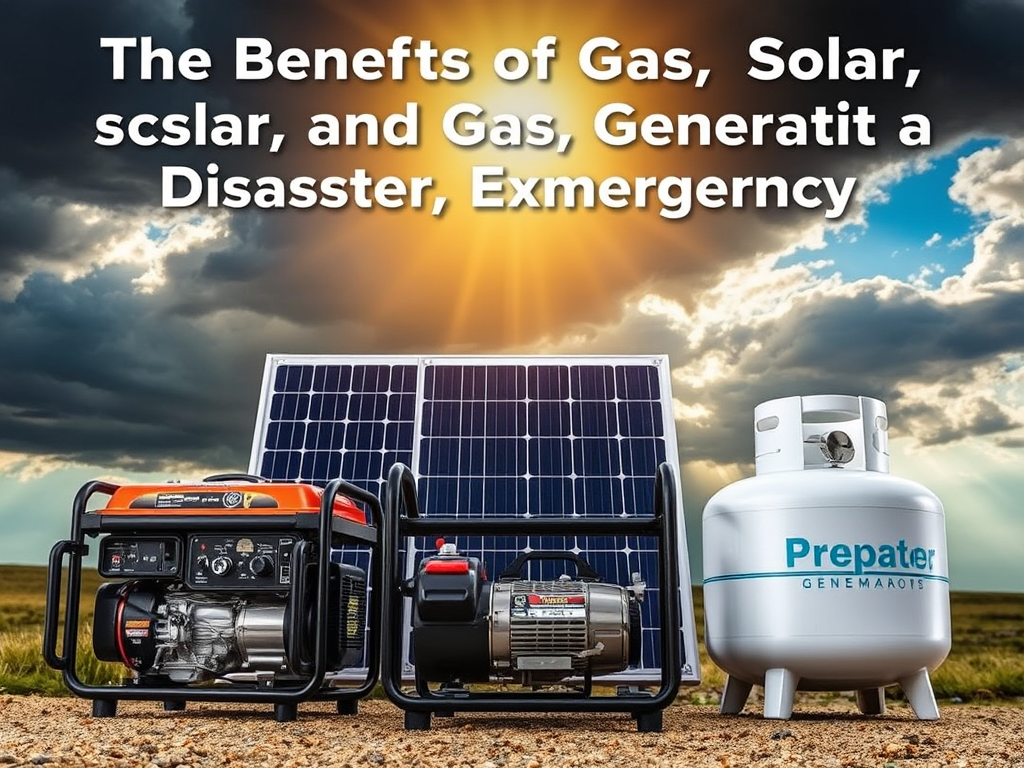
In a disaster emergency, having a backup generator is essential to keep your home powered, ensuring safety and comfort. Gas generators provide high power output and are easy to refuel, solar generators offer clean, sustainable energy, and propane generators are efficient with long fuel shelf life. Dual fuel generators, which can run on both propane and gasoline, offer flexibility and reliability, giving you more options in a crisis. Depending on your needs, each type offers unique benefits for ensuring power during an outage.
In the event of a natural disaster or large-scale emergency, having access to reliable power can mean the difference between safety and discomfort—or even survival. Power outages are common in disasters, and that’s where backup generators come in. Depending on your situation and needs, gas, solar, or propane generators offer distinct advantages. Here’s a look at why you might need one in a disaster and the benefits each type provides.
Advantages:
Gas generators are popular because they provide a powerful, immediate source of electricity. When the grid goes down, you can connect a gas generator to essential household appliances like refrigerators, heaters, and medical devices, ensuring continued functionality.
•   High Power Output: Gasoline generators can typically handle heavy loads and power multiple appliances simultaneously, making them ideal for those needing significant electricity for extended periods.
•   Availability of Fuel: Gasoline is widely available, even in remote areas. In some emergencies, fuel stations may still operate on backup power.
•   Portable: Most gas generators are mobile, allowing you to relocate them if needed.
Why You Need It in a Disaster:
During a hurricane, blizzard, or earthquake, gas-powered generators can restore power immediately. They’re especially useful in high-demand situations or areas where other energy sources aren’t practical.
Advantages:
Solar generators, while newer to the market, offer sustainable power solutions that are great for long-term outages. They rely on sunlight to generate electricity, meaning you won’t need to stockpile fuel.
•   Eco-Friendly: Solar generators produce zero emissions, making them an environmentally responsible option.
•   Unlimited Power Source: As long as the sun is shining, you’ll have power. This is particularly useful in areas with ample sunlight or when fuel is difficult to find during extended emergencies.
•   Low Maintenance: Since solar generators have no moving parts, they require minimal maintenance compared to gas or propane options.
Why You Need It in a Disaster:
Solar generators are perfect for those looking for a clean, quiet, and long-term power solution. They’re particularly useful in long-lasting outages, such as in the aftermath of a widespread blackout or if you live in a region with abundant sunlight, making fuel availability less of a concern.
Advantages:
Propane generators offer a clean-burning alternative to gas, providing efficient power without some of the drawbacks associated with gasoline.
•   Long Shelf Life: Propane can be stored indefinitely, unlike gasoline, which can degrade over time. This makes it a reliable option for emergencies, as you can keep propane tanks stored and ready to go.
•   Cleaner Burning: Propane burns cleaner than gasoline, reducing the emission of harmful pollutants. It’s better for indoor use or in areas where air quality is a concern.
•   Versatile Fuel Source: Propane is often used for heating and cooking, so if you already have a propane system for your home, integrating a generator can be a seamless addition.
Why You Need It in a Disaster:
If you live in colder regions or areas with frequent winter storms, propane generators are a great backup power option. They can easily power heating systems, ensuring you stay warm and safe when temperatures plummet.
Why You Need a Generator in a Disaster
In the aftermath of hurricanes, earthquakes, or wildfires, power outages are common and can last from days to weeks. Without electricity, your home’s critical systems could fail—such as heating, cooling, refrigeration, and medical devices—putting lives at risk. Here’s why a backup generator is essential:
•   Medical Needs: If you or a family member relies on electrically powered medical equipment (like ventilators or dialysis machines), having a generator can prevent life-threatening interruptions.
•   Food Preservation: Power outages can spoil food quickly, leading to waste and potential shortages during a disaster. A generator keeps refrigerators and freezers running, preserving your food supply.
•   Comfort and Safety: In extreme weather conditions, maintaining heating, cooling, or lighting systems is vital to ensure safety and comfort, especially for young children, elderly family members, or those with health conditions.
•   Communication and Information: Generators power devices like phones, radios, and TVs, keeping you informed and able to communicate with emergency services or loved ones during a crisis.
Choosing the Right Generator for Your Needs
The best generator for you depends on several factors, including your region, power needs, and fuel availability. If you live in a sunny area and want a long-term power solution, a solar generator may be ideal. If you need a quick, high-power solution and have easy access to fuel, a gas generator is a solid choice. For cleaner, more efficient energy with long-term storage potential, propane generators offer a great alternative.
No matter what type of generator you choose, having one on hand during a disaster could be the key to keeping your household safe, comfortable, and connected.
 inTHEknow