Be sure to visit our disaster preparedness library for additional information and further reading on this topic.
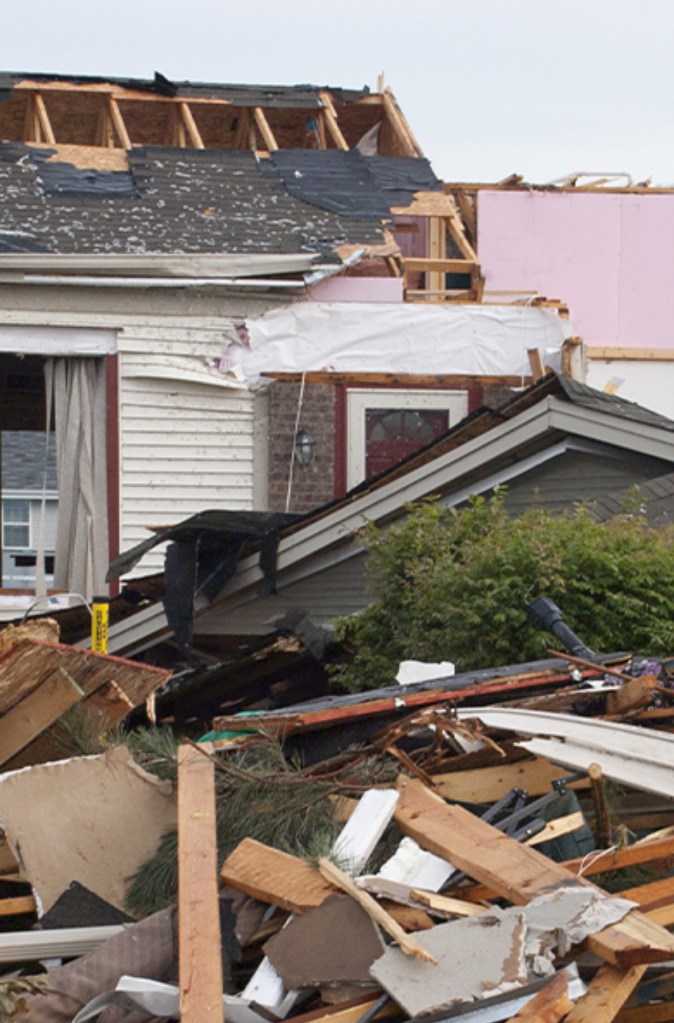
1. Protection from Severe Weather
Storm shelters are specifically engineered to withstand extreme weather conditions, such as tornadoes and hurricanes. They are typically constructed with reinforced concrete or steel and are designed to resist high winds and flying debris. The National Storm Shelter Association (NSSA) provides guidelines for building these shelters, ensuring they meet safety standards. By having a designated space to seek refuge, you significantly increase your chances of survival during a storm. Many shelters also include features like ventilation and seating to make prolonged stays more comfortable.
2. Safe Storage
Cellars can serve as secure storage spaces for emergency supplies, non-perishable food, and essential documents. This is crucial because severe weather can lead to power outages, flooding, or damage to your home, putting your belongings at risk. A well-organized cellar allows you to keep important items protected and accessible when needed. Additionally, storing supplies in a cellar can help prolong their shelf life, as the cool and dark environment is ideal for many food items.
3. Psychological Comfort
The knowledge that you have a safe place to go during a storm can greatly reduce anxiety and fear for you and your family. In times of crisis, having a designated storm shelter or cellar provides a sense of control and security. This psychological comfort is essential, especially for children, as it helps them feel safe and less vulnerable during frightening weather events. Creating a positive atmosphere in the shelter, perhaps with games or comfort items, can further alleviate stress.
4. Flood Protection
Cellars, especially when properly designed, can minimize the risk of water intrusion during flooding. Elevating the entrance and utilizing sump pumps or drainage systems can help manage excess water and keep the space dry. This is particularly important in flood-prone areas where heavy rains can quickly lead to water accumulation. A well-maintained cellar can protect your valuables and prevent mold growth, which can result from water damage.
5. Emergency Preparedness
Both storm shelters and cellars can be stocked with essential supplies, allowing you to be self-sufficient during and after a storm. Key items to keep on hand include food, water, first-aid supplies, flashlights, batteries, and a battery-powered radio. Preparing an emergency kit ahead of time can save valuable minutes during an emergency. Regularly reviewing and updating your supplies ensures you have what you need when the time comes.
6. Community Safety
In some communities, storm shelters are designed to serve multiple families or the entire neighborhood. This communal approach enhances overall community resilience, providing a safe haven for those who may not have individual shelters. Community shelters can also serve as coordination points for emergency services, helping to facilitate recovery efforts after a storm. Promoting community awareness and planning can strengthen the collective safety net and foster a sense of unity during emergencies.
Conclusion
Overall, the importance of storm shelters and cellars cannot be overstated. They play a vital role in protecting lives, providing peace of mind, ensuring preparedness, and fostering community resilience in the face of severe weather. Investing in a storm shelter or cellar is a proactive step towards safeguarding yourself and your loved ones during unpredictable weather events.
 inTHEknow