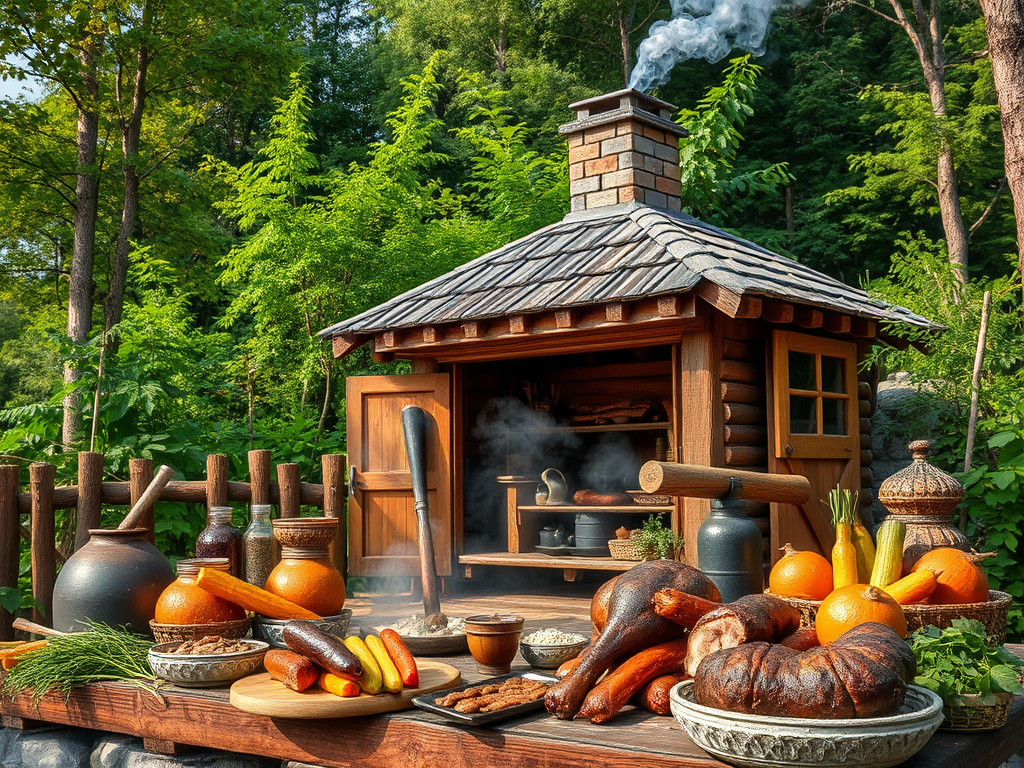
1. Food Preservation
- Extended Shelf Life: Smoking meat reduces moisture content, which is crucial for preventing spoilage. When foods are smoked, the heat causes proteins to denature, while the smoke particles create a barrier against pathogens. For instance, smoked fish can last several weeks without refrigeration.
- Nutritional Retention: Unlike some preservation methods that require cooking at high temperatures, smoking can retain more nutrients. The low and slow cooking process allows for a gradual breakdown of proteins, preserving amino acids and essential vitamins.
2. Flavor Enhancement
- Unique Taste: Different woods impart unique flavors. For example, hickory provides a strong, bold flavor, while applewood gives a sweeter, milder taste. This variability allows for creativity in meal preparation, even with limited resources.
- Versatility: Smoking can be adapted for various foods. Vegetables like peppers or tomatoes can be smoked and then used in sauces or soups. Cheeses like gouda can take on a smoky flavor that adds depth to many dishes.
3. Self-Sufficiency
- Less Reliance on Commercial Products: Creating your own smoked foods minimizes the need for processed meats, which may not be available in a crisis. This empowers individuals and families to maintain their diets without relying on external food sources.
- Utilizing Surplus: If you have a bountiful harvest or a successful hunting season, a smokehouse allows you to process and store that abundance, ensuring nothing goes to waste. For example, smoking excess garden produce can create tasty preserves for winter.
4. Cost-Effectiveness
- Reduce Food Waste: With a smokehouse, you can transform excess or slightly imperfect produce and meats into valuable food items, reducing waste. This is particularly crucial during economic downturns when food prices rise.
- Homegrown Ingredients: Smoking food that you’ve raised or harvested yourself can significantly reduce grocery bills. For instance, if you raise chickens, smoking excess meat can extend its usability and enhance its flavor without additional costs.
5. Community and Tradition
- Cultural Practices: Many cultures have a rich history of smoking foods. Engaging in these practices can strengthen cultural ties and foster community. Hosting a community smoke day can bring neighbors together, sharing techniques and food.
- Skills Development: The process of building a smokehouse and mastering the smoking technique fosters a range of skills, from construction to culinary arts. These skills not only empower individuals but can also be shared with family and friends.
6. Ease of Use and Maintenance
- Simple Construction: Building a smokehouse can be done using readily available materials like wood, bricks, or metal. Various designs, such as A-frame, barrel, or box, can cater to different skill levels and spaces, allowing customization.
- Low Maintenance: Once constructed, smokehouses require minimal upkeep. Regular cleaning and occasional repairs are typically all that’s needed, making them a sustainable option for food preservation.
7. Emergency Preparedness
- Food Security: In emergencies, a smokehouse can serve as a reliable food storage option. The ability to preserve protein sources like fish and game ensures a steady food supply when conventional resources are scarce.
- Multiple Uses: Beyond smoking, a smokehouse can function as a drying area for herbs or fruits, expanding its utility. You can hang herbs to dry inside, or use the space for fermenting vegetables, maximizing its functionality.
8. Considerations for Use
- Ventilation and Control: Effective smoking requires proper airflow to maintain temperature and smoke density. Ventilation systems can be designed using flues or adjustable vents, allowing you to control smoke levels for different foods.
- Safety Measures: Following safety guidelines is crucial. This includes ensuring the meat is properly cured before smoking to prevent botulism and using food-safe wood to avoid harmful chemicals. Understanding the ideal smoking temperatures and times for various foods is also essential.
Smokehouses offer a multifaceted approach to food preservation and self-sufficiency. They not only extend the shelf life and enhance the flavor of food but also serve as a tool for community building and resourcefulness. By incorporating a smokehouse into your homesteading or preparedness plans, you can create a sustainable food system that thrives even in challenging circumstances.
 inTHEknow