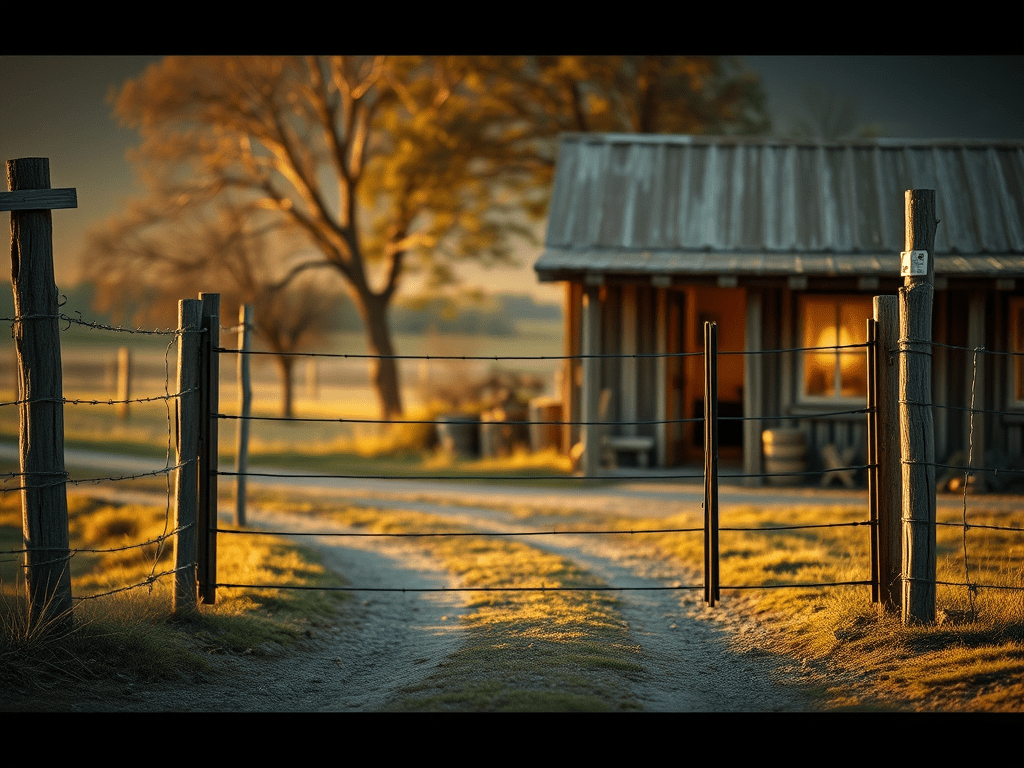
Living on a rural property or homestead offers many advantages, including privacy, space, and a connection to nature. However, it also comes with unique challenges, especially when it comes to security and preparedness. Here’s how to effectively secure and prepare your rural homestead for various emergencies, including civil unrest, natural disasters, or other crises.
1. Assess Your Property’s Vulnerabilities
Perimeter Security
- Fencing: Install sturdy fencing around your property to deter intruders and livestock from wandering off. Consider adding barbed wire or electric fencing for additional security.
- Gates: Use heavy-duty locks on gates and ensure they are well-maintained. Consider using motion sensors to alert you when gates are opened.
Entry Points
- Buildings: Secure all entrances to barns, sheds, and outbuildings. Use solid doors with deadbolts and ensure windows are lockable.
- Windows: Reinforce windows with security film or bars, especially in structures that house valuable tools or equipment.
2. Enhance Physical Security
Surveillance Systems
- Cameras: Install security cameras at key points around your property. Consider options that allow remote monitoring via your smartphone.
- Motion Sensors: Use motion-activated lights to illuminate dark areas around your home and outbuildings, making it harder for intruders to approach unnoticed.
Alarm Systems
- Integrated Systems: Consider a comprehensive alarm system that connects to local law enforcement. This could be a deterrent and provide peace of mind.
3. Prepare Your Homestead
Emergency Supplies
- Food and Water Storage: Stockpile non-perishable food items and store adequate water for drinking and sanitation. A good rule of thumb is one gallon per person per day for at least three days.
- First-Aid Kits: Maintain a well-stocked first-aid kit, including basic medical supplies, prescription medications, and emergency care instructions.
Fuel and Power
- Alternative Energy: Consider renewable energy sources, such as solar panels or wind turbines, to ensure you have power during outages. Store fuel for generators securely and safely.
- Heating Sources: Ensure you have alternative heating methods, such as a wood stove or propane heater, for winter emergencies.
4. Create a Safety Plan
Evacuation Routes
- Know Your Paths: Familiarize yourself with local roads and alternate routes in case you need to evacuate. Keep your vehicle fueled and ready for quick departure.
- Communication Plan: Establish a communication plan with family members and neighbors. Use two-way radios or pre-arranged meeting spots if cell service is unavailable.
Safe Rooms
- Designate a Safe Space: Identify a safe room in your home where family members can gather during an emergency. Ensure it is stocked with supplies like food, water, and communication devices.
5. Engage with the Community
Neighborhood Watch
- Connect with Neighbors: Build relationships with nearby homesteaders. Establish a neighborhood watch or mutual aid agreement to support each other during emergencies.
- Share Resources: Pool resources for equipment, tools, and knowledge. A well-connected community can respond more effectively to crises.
Local Groups
- Join Local Organizations: Participate in community preparedness programs or agricultural groups that offer resources and training on security and emergency management.
6. Practice Situational Awareness
Stay Observant
- Monitor Activity: Keep an eye on unusual activities around your property and report any suspicious behavior to local authorities.
- Regular Check-Ins: Periodically inspect your property for signs of wear, damage, or vulnerabilities that need addressing.
7. Maintain Your Property
Regular Maintenance
- Inspections: Conduct regular inspections of buildings, fences, and equipment to identify and address issues before they become serious problems.
- Landscaping: Keep the area around your home clear of debris and tall grass, which can hide intruders or attract wildlife.
Emergency Drills
- Conduct Drills: Practice emergency scenarios with your family, including evacuation routes and safe room procedures, so everyone knows what to do in a crisis.
Securing and preparing your rural property or homestead is essential for ensuring safety and resilience during emergencies. By assessing vulnerabilities, enhancing physical security, stocking essential supplies, and engaging with your community, you can create a robust defense against potential threats. Remember, preparedness is not just about physical security—it’s also about fostering connections and developing a plan that can help you weather any storm.
 inTHEknow