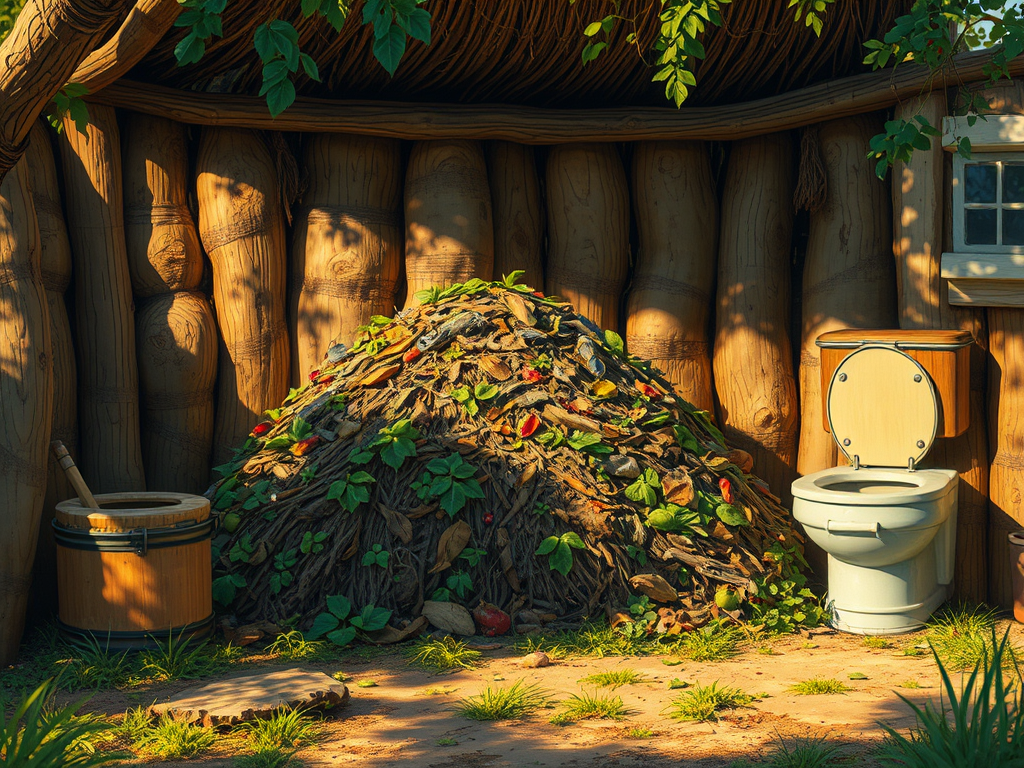
Composting off-grid is a sustainable and practical way to manage waste while living in a remote location. Whether you’re living in a tiny house, a cabin, or a camper, composting helps reduce your environmental footprint and provides nutrient-rich soil for gardening. Here’s how to successfully compost off-grid:
1. Choose the Right Composting Method
There are several methods for composting off-grid, depending on your space, needs, and available resources:
a. Traditional Composting (Heap or Pile)
- How It Works: You create a pile of organic waste (food scraps, yard waste, etc.) in a designated area. Over time, microorganisms break down the materials into rich, dark compost.
- What You Need:
- A sunny or partially shaded spot for the compost pile.
- A balance of green materials (nitrogen-rich like food scraps, grass clippings) and brown materials (carbon-rich like dried leaves, cardboard, wood chips).
- Considerations: Traditional composting requires turning the pile regularly to aerate it and speed up decomposition. This method can work well if you have space.
b. Composting Toilet (For Human Waste)
- How It Works: Composting toilets turn human waste into compost using aerobic bacteria to break it down. It’s a great solution for off-grid living, especially when you don’t have access to septic or municipal waste systems.
- What You Need:
- A composting toilet system (many off-grid models are designed to be self-contained and use little water).
- Carbon material (e.g., sawdust, wood chips, coconut coir) to mix with waste and aid decomposition.
- Considerations: Be sure to manage the composting process carefully to prevent odors and pathogens. Follow guidelines for safe handling and ensure that the compost is fully broken down before use.
c. Bokashi Composting
- How It Works: Bokashi composting is a fermentation process using specific microbes to break down food scraps (including meat and dairy, which are harder to compost in traditional systems) in an anaerobic environment.
- What You Need:
- A Bokashi bucket (a sealed container with a spigot).
- Bokashi bran (a mix of wheat bran and effective microorganisms that help the fermentation process).
- Considerations: Bokashi composting is faster and works well in small spaces. The end product can be buried in soil or added to a traditional composting system to finish breaking down.
d. Vermiculture (Worm Composting)
- How It Works: Worm composting uses red wiggler worms to break down food scraps into nutrient-rich castings. It’s a highly efficient way to compost, especially for small-scale or indoor composting.
- What You Need:
- A worm bin (a container with bedding like shredded paper or coconut coir).
- Red wiggler worms (Eisenia fetida).
- Food scraps (fruits, vegetables, coffee grounds, eggshells, etc.).
- Considerations: Vermiculture is best for areas where you have limited space. Worms need a stable environment, so be mindful of temperature fluctuations, moisture levels, and food supply.
2. Key Composting Principles
Regardless of the method you choose, there are some fundamental principles to follow to ensure successful composting:
Balance Green and Brown Materials
- Green Materials: High in nitrogen (e.g., fruit and vegetable scraps, grass clippings, coffee grounds).
- Brown Materials: High in carbon (e.g., leaves, straw, cardboard, sawdust).
- A good rule of thumb is to maintain a 3:1 ratio of brown to green materials. This helps balance moisture levels and promote healthy decomposition.
Aeration
- Decomposition requires oxygen. For piles or bins, turn the compost regularly (every 1-2 weeks) to keep it aerated and speed up the process.
- If using a Bokashi or worm bin, make sure the environment is not too wet, as this can cause anaerobic conditions that lead to unpleasant smells.
Moisture Management
- Your compost needs to be kept moist, but not too wet. It should feel like a wrung-out sponge.
- If the compost is too dry, add water or fresh green materials. If it’s too wet, add more brown materials to absorb excess moisture.
3. Where to Place Your Composting Setup
- Traditional Composting: Choose a spot that’s well-drained, sunny or partly shaded, and not too close to your living area to avoid odors. Ideally, it should be easy to access, but away from animals or pests.
- Composting Toilet: If using a composting toilet, place it in a private, well-ventilated area. It should be near a water source (if your model requires water) but not directly in your living space.
- Worm Bins or Bokashi: These can be placed inside a shed, garage, or other shelter if you want to keep them from freezing in winter or being exposed to pests.
4. What Can and Can’t Be Composting
Can Compost:
- Fruit and vegetable scraps
- Coffee grounds and tea bags (without staples)
- Eggshells
- Grass clippings, leaves, and plant trimmings
- Sawdust and wood chips
- Paper (shredded or torn)
- Cardboard (non-glossy)
Can’t Compost:
- Meat, fish, and dairy (unless using Bokashi or a specialized system)
- Oils and fats
- Diseased plants or plants treated with pesticides
- Pet waste (unless using a specific pet waste composting system)
5. Composting During Winter or Cold Weather
- Composting in cold climates can slow down, but it’s still possible. Insulate your compost pile by adding extra layers of straw, hay, or mulch around the outside to keep warmth in.
- Use a compost bin with a lid to retain heat and prevent frost from halting decomposition. Worm bins can be kept indoors or in a shed during winter.
6. Using the Finished Compost
- Ready-to-Use: The finished compost should look dark, crumbly, and smell earthy, not rotten or sour. If you’ve composted human waste or food scraps, ensure that everything is fully decomposed to avoid health risks.
- Apply to Garden: Use it in your garden beds, around fruit trees, or even in pots to enrich the soil and improve plant growth.
Composting off-grid is not only environmentally friendly but also an essential skill for self-sufficiency. Whether you’re using it to manage food waste, create nutrient-rich soil for your garden, or dispose of human waste safely, composting can make your off-grid living experience more sustainable and rewarding. Just plan ahead, stay on top of maintenance, and you’ll have healthy, thriving compost to improve your soil and minimize your environmental impact.
 inTHEknow