Navigating in a situation without the aid of phones or GPS requires a blend of traditional skills, tools, and techniques. Here’s a detailed look at effective methods for navigation:
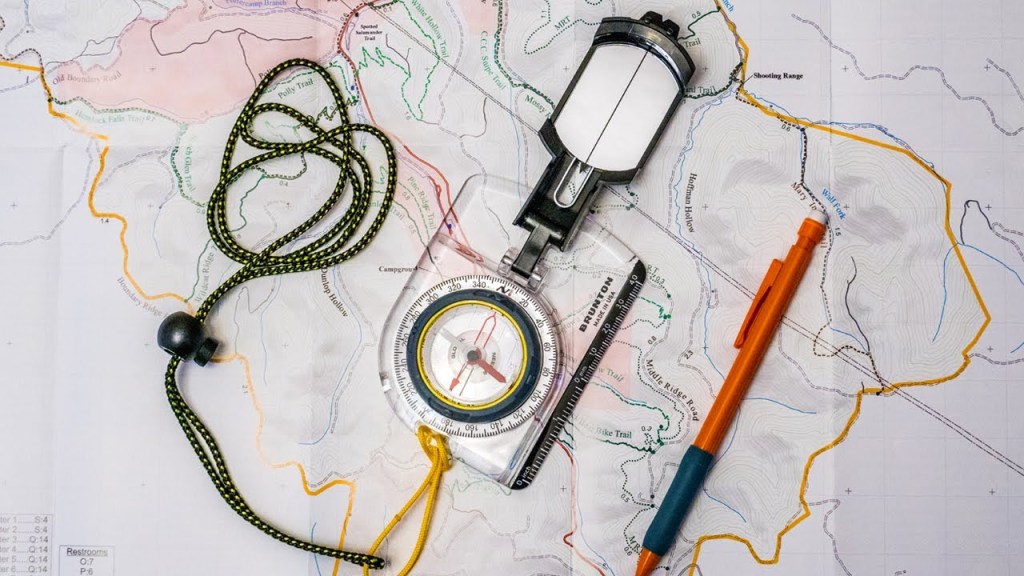
1. Map Reading
- Topographic Maps: These maps show elevation changes, terrain features, and important landmarks. Understanding contour lines can help you assess the landscape and plan your route.
- Road Maps: While less detailed, these can help you navigate roads and highways, identifying potential travel routes and resources.
- Landmarks: Familiarizing yourself with significant landmarks (mountains, rivers, buildings) on your map can aid in orienting yourself and maintaining a sense of direction.
2. Compass Use
- Understanding a Compass: Learn how to read a compass and use it to find true north. A compass can help you navigate accurately, even in dense terrain.
- Bearing and Declination: Taking bearings from a map and accounting for magnetic declination (the difference between true north and magnetic north) is crucial for accurate navigation.
- Navigating with Landmarks: Use a compass in conjunction with visible landmarks to maintain your course. Align the compass with your map to ensure you’re heading in the right direction.
3. Natural Navigation
- Sun Position: The sun rises in the east and sets in the west. At noon, it will be due south (in the Northern Hemisphere) or due north (in the Southern Hemisphere). This can help you maintain a general sense of direction throughout the day.
- Stars: At night, constellations can be invaluable for navigation:
- North Star (Polaris): In the Northern Hemisphere, Polaris indicates true north and can be located by finding the Big Dipper constellation.
- Southern Cross: In the Southern Hemisphere, this constellation helps locate the south celestial pole.
- Moon Phases: The moon also moves across the sky and can provide directional cues, although its position varies by phase and time of year.
4. Environmental Indicators
- Vegetation: Observing the growth patterns of trees and plants can provide clues. For example, moss tends to grow on the north side of trees in the Northern Hemisphere, as this side is generally shadier.
- Animal Behavior: Animals often follow consistent paths to water sources or feeding areas. Observing their movements can lead you to resources.
- Water Flow: Rivers and streams flow downhill. Following a waterway can lead to settlements or larger bodies of water, which can be critical for survival.
5. Land Navigation Techniques
- Dead Reckoning: This technique involves estimating your current position based on your last known location, distance traveled, and direction. It’s useful when visibility is limited.
- Pacing: Knowing the distance you can cover in a certain number of steps can help you gauge how far you’ve traveled. Practice pacing on flat ground to understand your stride length.
- Land Navigation with Reference Points: Identify reference points along your route, such as hills or trees, and adjust your path as necessary.
6. Navigational Tools
- Physical Maps: Carry printed maps of your local area and any regions you might travel to. Ensure they’re durable and waterproof if possible.
- Compass: A good-quality compass is essential. Familiarize yourself with its use before needing it in a crisis.
- Survival Navigation Guides: Consider carrying a small handbook that covers basic navigation techniques and environmental cues.
7. Practice and Preparation
- Skills Training: Regularly practice using maps, compasses, and natural navigation methods. Familiarize yourself with your local environment to recognize landmarks and features.
- Route Planning: Before a potential crisis, plan routes and identify safe places to gather supplies or take shelter.
Navigating without modern technology requires a solid understanding of traditional methods, tools, and environmental cues. By honing these skills and preparing in advance, you can effectively find your way in a SHTF scenario, ensuring you stay oriented and safe while navigating challenging circumstances.
 inTHEknow