In recent years, the conversation around natural remedies and alternatives to conventional medicine has gained significant traction. Among these remedies, certain plant extracts, essential oils, and even everyday foods are recognized for their antibiotic properties. This article explores the benefits of natural antibiotics and highlights specific examples such as honey, garlic, myrrh, thyme essential oil, and oregano essential oil.
The Power of Natural Antibiotics
Antibiotics, commonly used to kill or inhibit the growth of bacteria, are often associated with modern medicine. However, the origins of these powerful compounds can be traced back to nature, with many traditional remedies demonstrating efficacy against various pathogens. By utilizing natural sources, we can not only enhance our health but also explore alternative solutions for minor infections and ailments.
Key Benefits of Natural Antibiotics
- Reduced Risk of Resistance: Unlike synthetic antibiotics, natural options may lower the risk of developing antibiotic resistance.
- Holistic Healing: Many natural antibiotics also offer additional health benefits, such as antioxidant properties and anti-inflammatory effects.
- Accessibility: Common foods and plants can often be found in homes or local markets, making them more accessible than prescription medications.
Natural Antibiotics You Can Use
1. Honey

Honey is one of the oldest known natural antibiotics, with historical use dating back to ancient Egypt. Its antibacterial properties primarily stem from its hydrogen peroxide content, high sugar concentration, and low pH level, which dehydrates bacteria.
Usage:
- Topical Application: Apply raw honey directly to wounds or infected areas to promote healing.
- Internal Use: Consume a tablespoon of honey or mix it into warm herbal tea to soothe internal infections.
Caution: Avoid giving honey to infants under one year old.
2. Garlic Extract
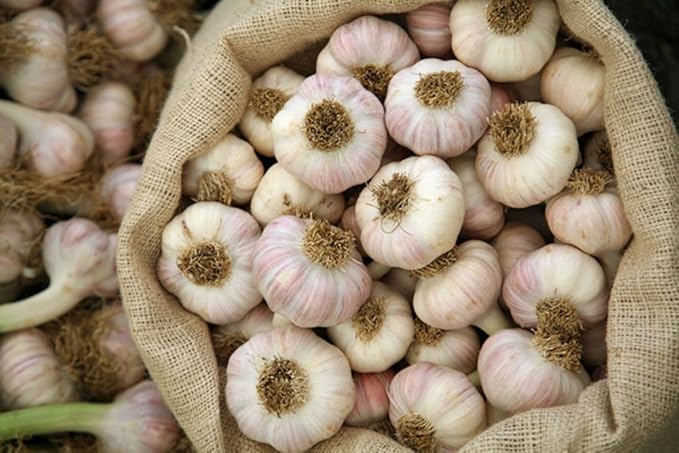
Garlic has long been celebrated for its antimicrobial properties. A 2011 study confirmed that garlic concentrate effectively combats bacteria, making it a potent natural remedy.
Usage:
- Topical Treatment: Apply garlic concentrate directly to wounds or blemishes.
- Internal Consumption: Ingest up to two cloves of garlic per day. If using supplements, adhere to the recommended dosage.
Caution: Consult a healthcare provider if you’re on blood-thinning medication, as garlic can amplify its effects.
3. Myrrh Extract
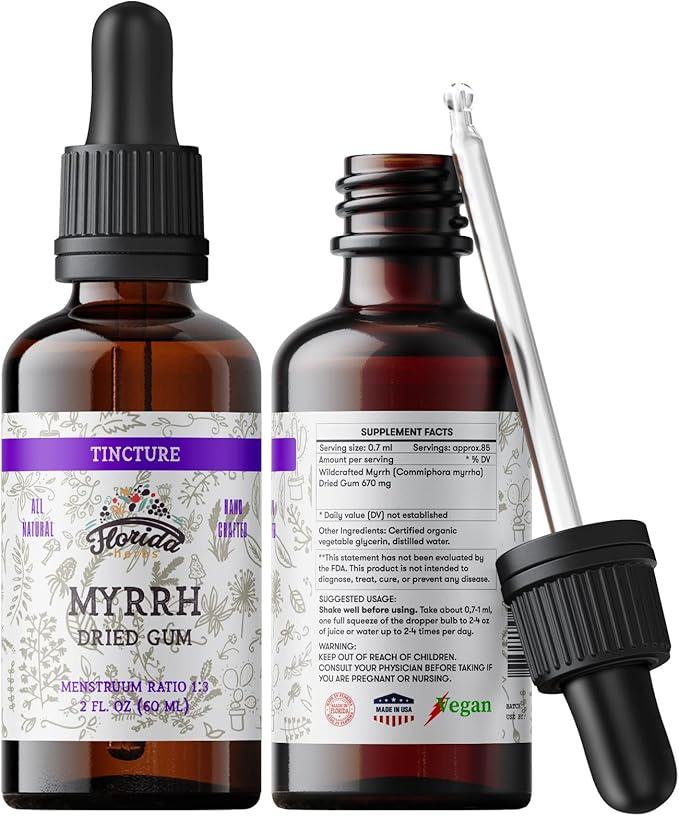
Known for its aromatic qualities, myrrh also boasts significant antibacterial properties. Research has shown that myrrh extract can kill several pathogens, including E. coli and Staphylococcus aureus.
Usage:
- Topical Application: Apply myrrh extract to affected skin areas, following dosage instructions on the package.
Caution: Ingesting myrrh may lead to digestive issues, and large doses could potentially cause heart problems.
4. Thyme Essential Oil
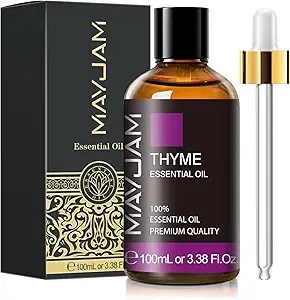
Thyme essential oil is recognized for its effectiveness against antibiotic-resistant bacteria. A 2011 study highlighted its superior antibacterial action compared to other essential oils.
Usage:
- Diluted Application: Mix thyme essential oil with a carrier oil (such as coconut or olive oil) before applying to the skin.
Caution: Avoid oral ingestion and use with caution if you have high blood pressure or hyperthyroid conditions.
5. Oregano Essential Oil
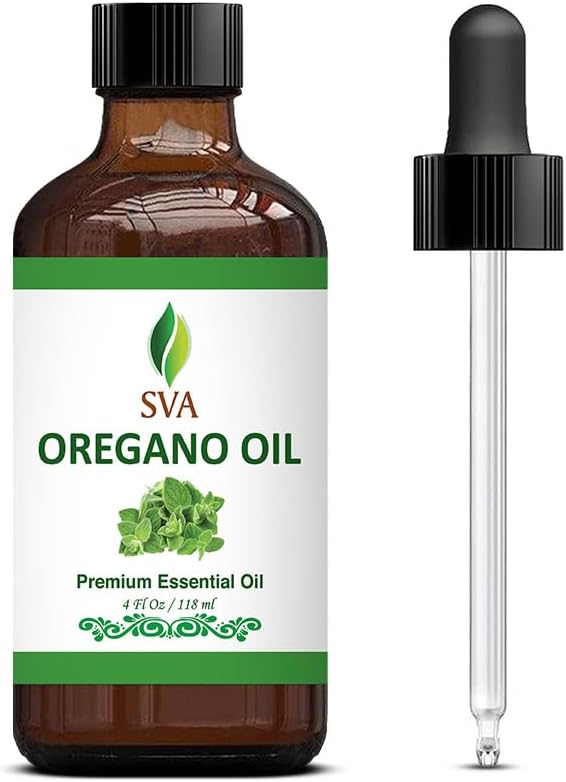
Oregano essential oil, rich in carvacrol, is beneficial for its therapeutic properties, including anti-inflammatory and antibacterial effects.
Usage:
- Topical Treatment: Mix one drop of oregano essential oil with a teaspoon of carrier oil for treating skin infections.
- Air Diffusion: Diffuse oregano oil to help alleviate sinus infections.
Caution: Do not ingest oregano essential oil or use it undiluted on the skin.
Conclusion
Natural antibiotics, derived from everyday foods and plants, offer a wealth of benefits for health and wellness. However, it’s essential to approach their use with caution. Always consult with a healthcare provider before incorporating natural antibiotics into your regimen, especially if you’re currently on medication or have existing health concerns.
While natural options can complement your health routine, they should not replace conventional antibiotics when necessary. Responsible use and a solid understanding of both natural and synthetic antibiotics can empower you to make informed health choices while reducing the risk of antibiotic resistance.
 inTHEknow