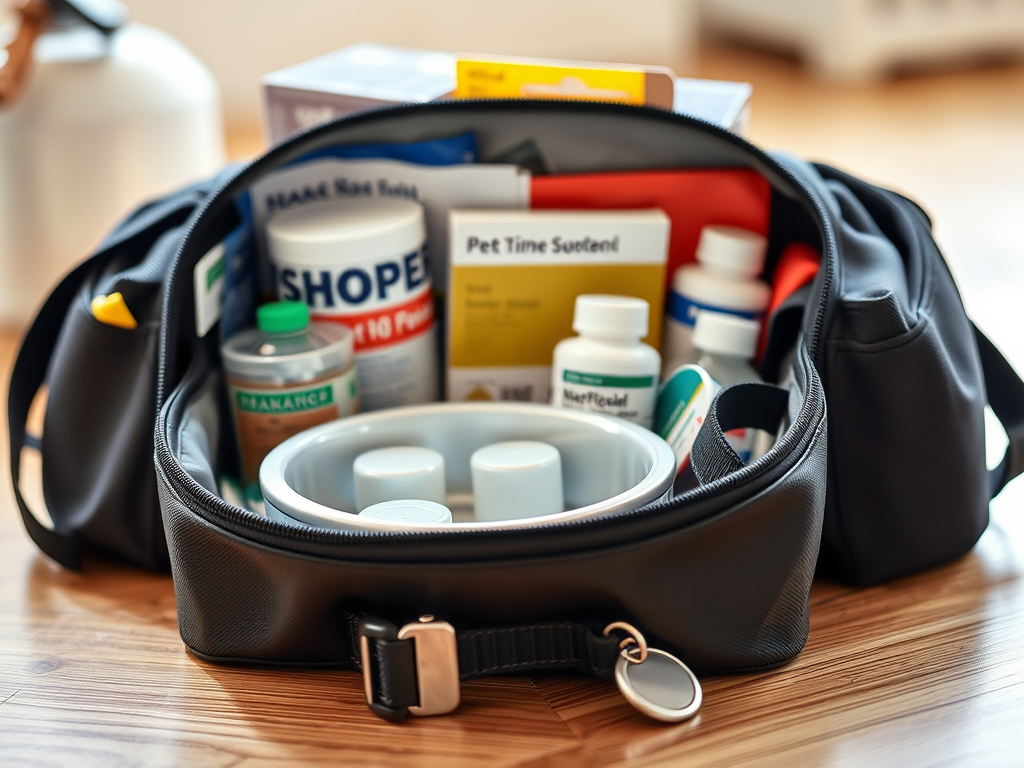
Preparing to bug out with pets during a SHTF scenario requires thoughtful planning, as pets have different needs and can be more challenging to manage during emergencies. Here’s some ideas on how to prepare for bugging out with pets to ensure their safety and well-being while you’re on the move:
1. Create an Emergency Kit for Your Pet
- Food & Water: Stock up on at least 3-7 days’ worth of pet food and water. Use airtight containers to keep food fresh. Don’t forget a portable water bowl!
- Collar, Leash & ID: Ensure your pet has a collar with a tag and an ID. Consider a microchip for added security in case you get separated.
- Medications & First Aid: Pack any necessary medications and a first aid kit that includes items like bandages, antiseptic wipes, tweezers, and flea/tick prevention.
- Waste Bags: Bring enough waste bags or portable litter for cats. Don’t forget a shovel if you’re in a rural or wilderness area.
- Pet Carrier or Harness: For cats and smaller pets, bring a sturdy carrier. For larger dogs, a harness or leash that can withstand stress is essential.
2. Prepare a Bug-Out Bag for Your Pet
- Keep a bug-out bag that includes everything your pet might need, packed and ready to go. This should be in addition to your own emergency bug-out bag.
- Consider including:
- Extra collar & leash in case one breaks.
- Comfort items like a favorite toy or blanket to help reduce stress.
- Pet-safe calming supplements or treats if your pet is anxious.
- Pet-proofed shelter like a portable tent or a blanket that can be used to set up temporary sleeping arrangements.
3. Plan for Pet-Friendly Travel
- Car Travel: If you’re bugging out by car, ensure your pet is safe during the trip. Use a dog seatbelt harness or keep them in a pet carrier.
- On Foot or by Bicycle: If you’re walking or biking, a pet stroller or backpack carrier for smaller animals can help. For larger dogs, a sturdy leash and harness are key to keeping them controlled.
- Travel Comfort: Make stops for bathroom breaks, food, and water. Ensure your pet is comfortable during long travel times.
4. Scout Pet-Friendly Locations
- Shelters and Safe Zones: Not all places will accept pets, so research in advance or have alternate routes to locations that are pet-friendly (e.g., campsites, rural areas, or abandoned buildings).
- Wilderness Considerations: If you’re bugging out into the wild, consider your pet’s ability to survive outdoors. Make sure your pet is used to walking long distances and is familiar with outdoor conditions.
5. Keep Your Pet’s Health in Mind
- Veterinary Records: Bring a copy of your pet’s health records, including vaccination records, medications, and any special care instructions.
- Familiarization with Travel: If possible, prepare your pet by taking them on long walks, car rides, or overnight trips to get them used to the environment.
- Check for Hazards: Be mindful of dangerous plants, insects, and wildlife that may pose risks to your pet.
6. Train Your Pet for Emergency Situations
- Basic Commands: Ensure your pet is familiar with basic commands (e.g., “stay,” “come,” “heel”) to keep them under control in chaotic situations.
- Behavioral Conditioning: Help your pet become comfortable with wearing a leash and harness, getting in a crate, or traveling long distances.
- Escape Plan for Pets: If you’re separated during an evacuation, have a plan to locate your pet. Have pictures of them and your emergency contact information on hand.
7. Consider Your Pet’s Needs in Different Environments
- Cold Weather: Bring extra blankets or jackets for pets that are sensitive to the cold.
- Hot Weather: Be mindful of your pet’s hydration needs and avoid overexerting them in the heat.
- Insects & Wildlife: Protect your pets from ticks, fleas, and wildlife encounters. Consider bringing pet-safe insect repellent or a flea collar.
8. Have a Pet-Friendly Bug-Out Location
- Safe Zone: Ideally, you should have a secondary location (e.g., a cabin, friend’s house, or remote location) that is pet-friendly and secure, should your primary location become unsafe or uninhabitable.
9. Mental Health of Your Pet
- Comfort & Familiarity: Pets are sensitive to stress, so make them as comfortable as possible by bringing familiar items (toys, blankets) and maintaining a calm, reassuring presence.
- Routine: Try to maintain some routine in terms of feeding, bathroom breaks, and playtime, even in an emergency situation.
10. Have a Plan for Pet Evacuation if Necessary
- Backup Plan: In a worst-case scenario where you can’t bring your pet with you, have a plan for safely leaving them behind with instructions for others (neighbors, friends, or rescue organizations) on how to care for them.
Pets are family, and they depend on us for their care and safety. Planning ahead is critical for ensuring their well-being during a crisis. Make sure to regularly review and update your pet bug-out plans and supplies, as pets’ needs can change over time. By being prepared, you can ensure that your furry companions remain safe, healthy, and comfortable no matter what comes your way.
 inTHEknow