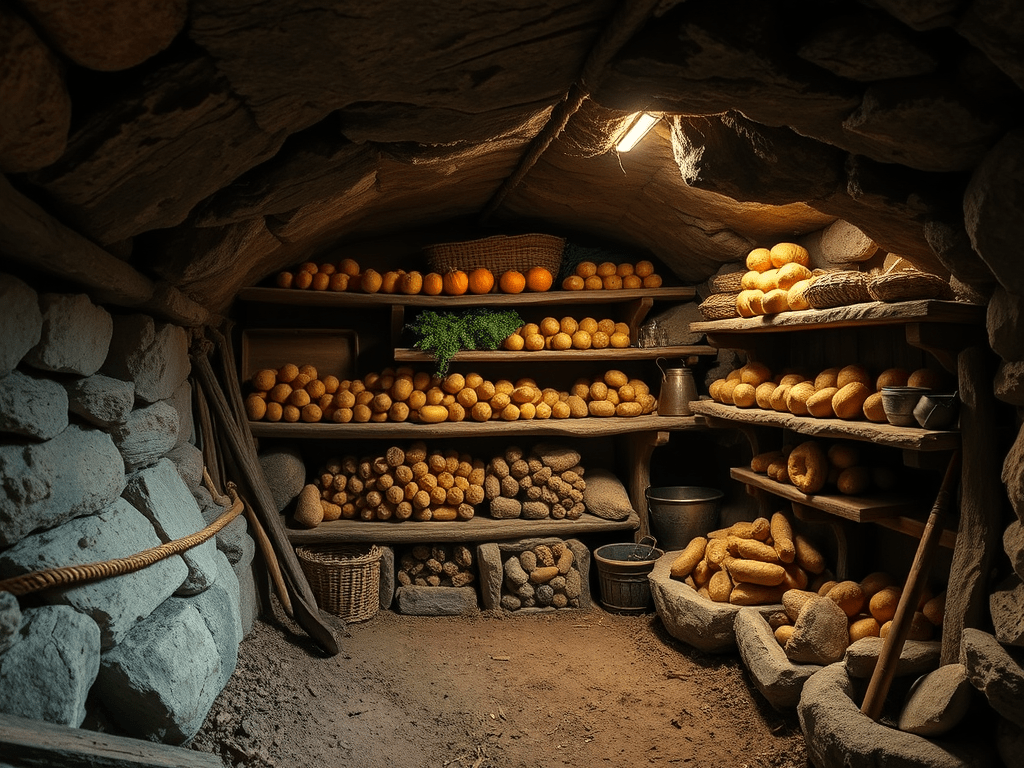
As food prices continue to rise and quality declines each year, root cellars remain relevant—not just as a way to prepare for the unknown, but as a practical solution for today.
A well-maintained root cellar can significantly lower your living expenses now, allowing you to allocate funds towards non-perishable items that enhance your comfort in uncertain times.
Ideal for storing the harvest from your summer garden, root cellars also come in handy for snagging great deals at farmers’ markets—like those turnips you can’t consume before they spoil in your pantry.
When I envision a root cellar, I picture a charming stone space carved into a hillside, perpetually cool and damp—an inviting refuge after a long day in the heat.
However, many root cellars are more utilitarian, featuring dirt floors and wooden shelves, and that works perfectly. Whether it’s a cave, an unfinished basement, a bulkhead, or even a simple covered trench, these spaces can effectively serve their purpose.
- Climate
- Where to keep it
- Storage conditions – Lighting
- Storage conditions – Humidity
- Floors
- Condensation
- Ventilation
- Insulation
- Avoid
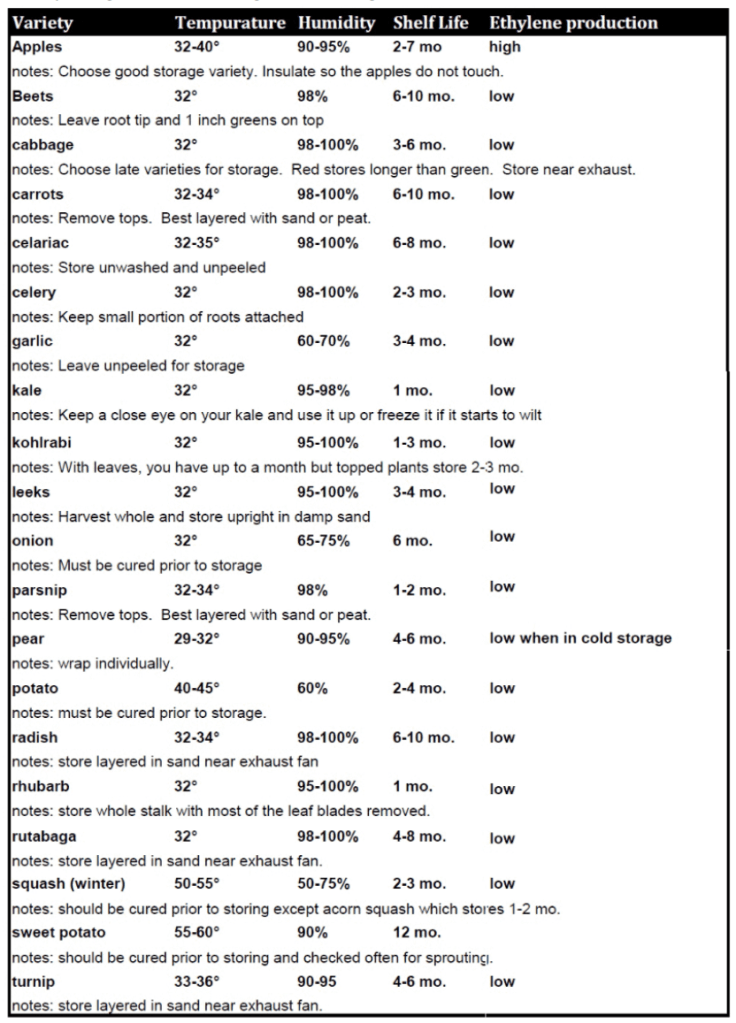
- Credit to The Old Ways
 inTHEknow