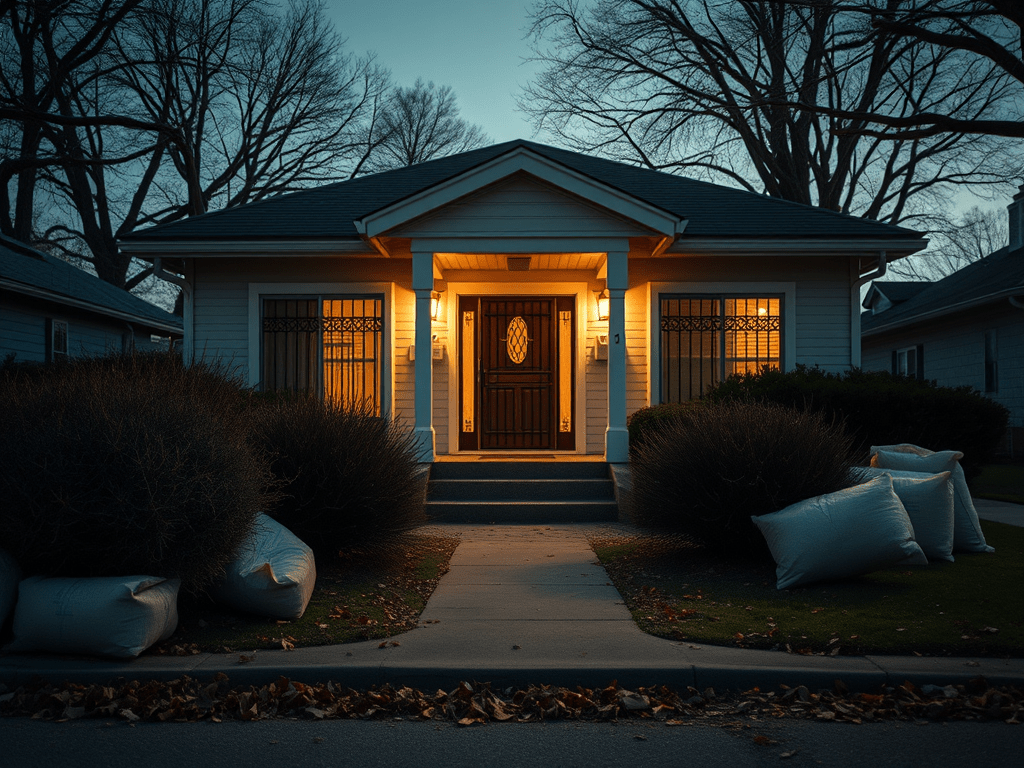
In a scenario where you’re choosing to “bug in” during a breakdown of law and order in a populated area, taking a detailed approach to home defense, resource management, and personal safety is essential. Here’s a look each of the key areas, from fortifying your space to maintaining a low profile and planning for the mental challenges that can arise.
- Home Fortification
Secure Entry Points:
• Doors: Install deadbolt locks, ideally those with reinforced strike plates that resist forced entry. You might also consider using door security bars or barricades, especially at primary entry points. Door braces or wedges can also provide extra reinforcement from the inside.
• Windows: Use security film on windows to prevent shattering, making them harder to break. If possible, reinforce windows with plywood or metal grates. Consider planting thorny shrubs under windows to add a natural barrier against intruders.
• Garage: Make sure your garage is locked and secure. Adding a manual lock to the garage door and disabling automatic openers can help.
Perimeter Security:
• Early Warning Systems: Motion-sensor lights around your property are useful, but you may need to black them out if light could attract unwanted attention. In that case, low-tech alerts, like stringing cans on a line to create noise if disturbed, can provide early warning without drawing attention.
• Barriers: Place physical barriers in entryways like sandbags or heavy furniture. Creating obstacles makes it harder for anyone attempting forced entry to enter quickly.
Camouflage and Concealment:
• Blending In: Make your home look as uninviting as possible. Avoid leaving signs that indicate stockpiled supplies, like fresh tracks around outdoor storage. Keeping a low profile by “going dark”—no visible lights or sounds—can help avoid attention.
• Exterior Condition: Let the exterior appear slightly neglected (not entirely boarded up, which could signal resources inside). Placing temporary debris, like scattered leaves or harmless “junk,” could make the property look uninhabited.
2. Defensive Measures
Self-Defense Tools and Training:
• Non-Lethal Options: Pepper spray, bear spray, and air horns can act as deterrents and give you an advantage without escalating situations immediately to lethal force. Have them in accessible locations throughout your home.
• Weapon Familiarity: If you own a firearm or other self-defense tool, be well-trained in its use and maintenance. Safe and responsible handling is essential, especially in high-stress situations.
• Physical Training: Consider practicing basic self-defense techniques. There are many free resources online, and a few classes can teach basic blocking, striking, and escape techniques, which are invaluable for close-quarters defense.
Perimeter Defense:
• Dogs: If possible, a dog can be both an early warning system and a deterrent. Barking alerts you to potential intruders and often discourages them.
• Barricades and Cover: If you’re defending a multi-story home, consider using stairways as defensive choke points. Blockading parts of the home where valuables and supplies aren’t stored can buy you time to respond appropriately.
3. Community and Allies
Community Cooperation:
• Identify Like-Minded Neighbors: Seek out neighbors who are prepared or share your safety concerns. If you trust them, coordinating plans or even forming a neighborhood watch can help protect your shared area.
• Dividing Responsibilities: Establish roles within your group, like lookout, food prep, or medical support. A shared sense of responsibility can relieve stress and give you backup if your home becomes a target.
Communication Plans:
• Radios: Consider using two-way radios for communication within your group, especially if cell networks fail. Learn basic radio protocols for privacy and efficiency.
• Check-Ins: Arrange regular check-ins with any neighbors or allies to report on conditions, threats, or shared needs.
4. Food and Resource Management
Rationing Food:
• Inventory Supplies: Do a full inventory of all food, water, and essential items, categorizing them by shelf life. Perishable items should be consumed first to avoid waste.
• Controlled Portions: Measure portions to stretch your supplies. Eating smaller, consistent portions over time helps conserve food without causing rapid depletion.
• Low-Profile Cooking: Use camping stoves, small alcohol burners, or non-cook meals if necessary. Avoid strong cooking odors to prevent attracting attention.
Water Sources and Filtration:
• Stored Water: If you haven’t already, fill bathtubs, sinks, and containers with water to use for non-drinking needs.
• Filtration Systems: Invest in water filters, like a Berkey system or portable options like Lifestraw. Boiling is also effective if you have fuel available.
• Rain Collection: If you’re staying long-term, a rainwater catchment system can provide renewable water. Be sure to filter or treat this water before consumption.
5. Mental Preparedness and Flexibility
Adaptability:
• Evacuation Plan: Have a secondary plan to evacuate if the area becomes too dangerous. Prepare go-bags with essential supplies for each person.
• Relocation Routes: Familiarize yourself with potential safe routes out of the city. Look for green spaces, waterways, or trails less likely to be crowded.
Stress and Mental Toughness:
• Routine: Establishing a daily routine can help manage stress, create structure, and reduce panic. Simple routines like daily inventory checks, cleaning, or even light exercises can make a huge difference.
• Mindset: Mentally prepare for the challenges ahead, from food rationing to potential threats. Having a resilient mindset is as crucial as having a well-stocked pantry.
Taking these steps can create a safer environment and improve your chances of weathering a prolonged crisis in a populated area. Balancing defensive measures, community coordination, and resourcefulness will help you handle the challenges posed by a long-term breakdown in social order.
 inTHEknow