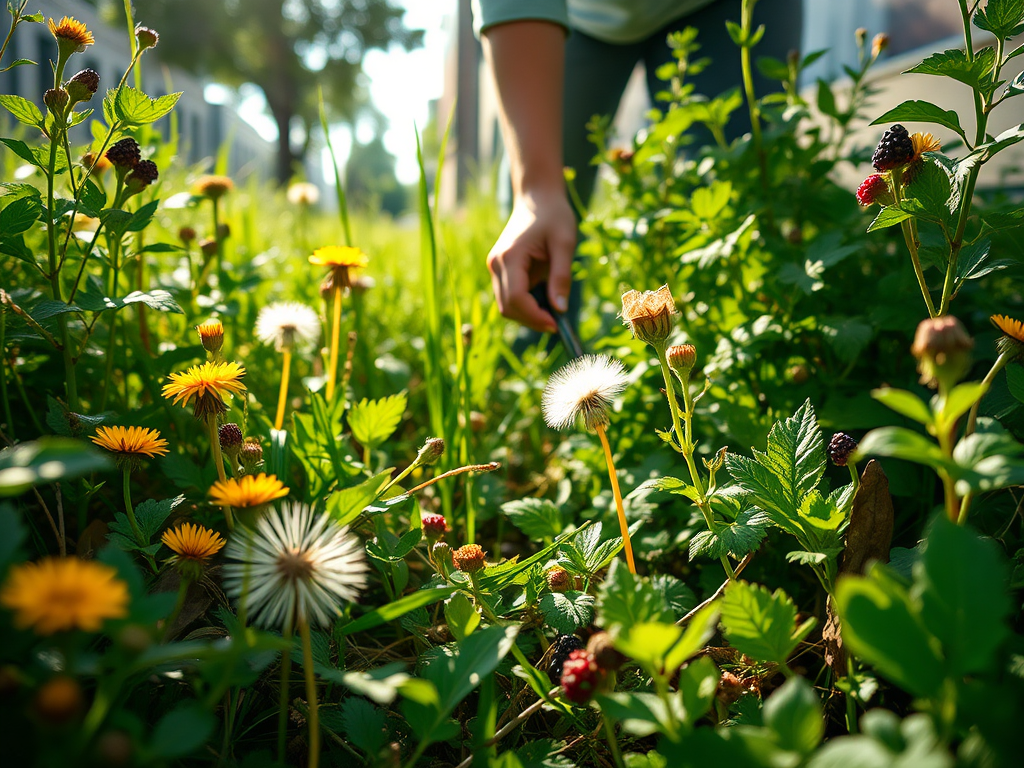
Foraging for food in urban environments can be an exciting way to connect with nature, save money, and discover new flavors. Cities are often full of edible plants, fruits, and mushrooms, often overlooked by residents. This guide will help you understand how to forage safely and effectively in your urban surroundings.
1. Understanding Urban Foraging
What is Urban Foraging?
Urban foraging involves searching for wild, edible plants and foods in city areas. This can include parks, sidewalks, gardens, and even neglected spaces. Many plants are resilient and thrive in urban settings, providing a surprising bounty of resources.
Benefits of Foraging
- Fresh and Local: Access to fresh produce without the carbon footprint of transportation.
- Cost-Effective: Reduces grocery bills.
- Nutritional Value: Many wild plants are more nutrient-dense than cultivated ones.
- Connection to Nature: Increases awareness of local ecosystems.
2. Safety First: Foraging Guidelines
Identify Before You Harvest
- Learn to Identify: Use field guides or apps to accurately identify plants. Familiarize yourself with both edible and toxic species.
- Beware of Look-Alikes: Some edible plants have toxic counterparts. Always double-check your identification.
Avoid Contaminated Areas
- Stay Away from Polluted Zones: Avoid foraging near roadsides, industrial sites, or areas that may be sprayed with chemicals.
- Wash Thoroughly: Clean all foraged items to remove dirt and contaminants.
Respect Local Laws
- Know the Regulations: Some parks and urban areas have restrictions on foraging. Check local laws to avoid fines.
3. Common Edible Plants in Urban Areas
Wild Greens
- Dandelion: Leaves are great in salads; roots can be roasted for coffee.
- Chickweed: Tender and nutritious, excellent in salads or as a cooked green.
- Plantain: Leaves are edible and can be used in salads or as a tea.
Fruits and Berries
- Mulberries: Often found in urban parks, they are sweet and juicy.
- Blackberries: Common in overgrown areas; make excellent jams and desserts.
- Elderberries: Can be found in some neighborhoods; cook them before consumption as raw berries can be toxic.
Herbs
- Mint: Grows prolifically and can be used in teas or culinary dishes.
- Lemon Balm: A member of the mint family, great for teas and garnishes.
- Nasturtium: Edible flowers and leaves with a peppery flavor, perfect for salads.
Mushrooms
- Chicken of the Woods: Bright orange and found on trees, but always verify identification.
- Shiitake: Sometimes cultivated on logs in urban gardens.
- Morels: A delicacy, but ensure proper identification as some false varieties are toxic.
4. Foraging Techniques
When to Forage
- Seasonality: Different plants are available at different times of the year. Spring is great for greens and flowers, summer for berries, and fall for mushrooms.
Tools You Might Need
- Foraging Basket: To carry your finds without bruising them.
- Knife or Scissors: For harvesting plants without damaging the root.
- Field Guide: To help identify plants and mushrooms.
5. Cooking and Using Foraged Foods
Preparation
- Wash Thoroughly: Rinse all foraged foods to remove dirt and pests.
- Cooking: Some plants are best eaten cooked to improve digestibility or flavor.
Recipes to Try
- Wild Greens Salad: Combine dandelion, chickweed, and other greens for a fresh salad.
- Berry Jam: Cook down foraged berries with sugar for a delightful spread.
- Herb Infused Oils: Use wild herbs to create flavorful oils for cooking.
6. Final Thoughts
Foraging in the city can be a rewarding and enriching experience. It fosters a connection to the environment and encourages sustainable practices. As you explore your urban landscape, remember to respect nature and practice responsible foraging. With time and experience, you’ll become more confident in identifying and enjoying the natural bounty around you!
 inTHEknow