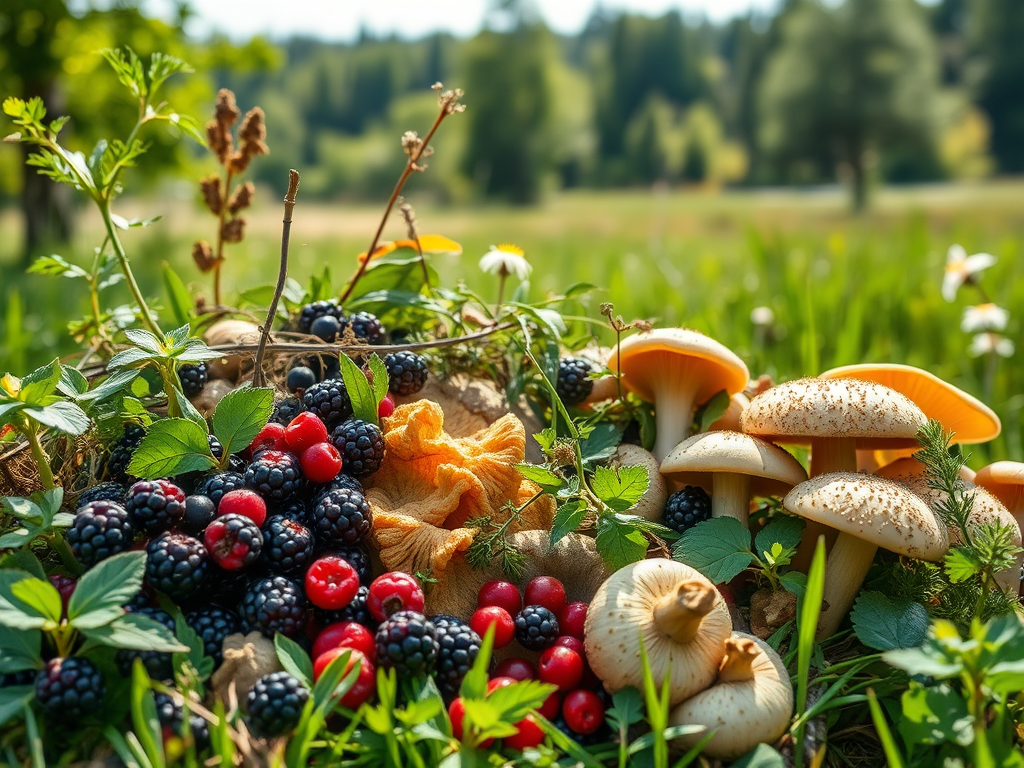
Foraging in rural or wilderness areas opens up a vast array of edible plants, mushrooms, fruits, and nuts. Whether you’re seeking to enhance your culinary skills, supplement your diet, or embrace a self-sufficient lifestyle, this guide will equip you with the knowledge to forage safely and effectively.
1. Understanding Rural Foraging
What is Rural Foraging?
Rural foraging involves the practice of gathering wild, edible resources in non-urban environments. This can include forests, fields, meadows, and along waterways. The abundance of natural resources in these areas offers a rich diversity of food options.
Benefits of Foraging
- Nutritional Diversity: Wild foods often contain more nutrients than cultivated crops.
- Sustainability: Foraging promotes sustainable practices by utilizing local ecosystems.
- Connection to Nature: Enhances your relationship with the land and its natural cycles.
2. Safety First: Foraging Guidelines
Learn to Identify Edible Plants
- Study Local Flora: Use field guides or apps to learn about local plants and their characteristics.
- Focus on Common Edibles: Start with easy-to-identify plants, such as dandelions or wild garlic.
Avoid Toxic Look-Alikes
- Research Thoroughly: Understand both edible and poisonous species. Some plants may have similar appearances but different effects.
- Consult Experts: If unsure, reach out to local foraging groups or experts for advice.
Respect the Environment
- Sustainable Harvesting: Only take what you need and leave enough for wildlife and future growth.
- Avoid Overharvesting: Refrain from picking rare or endangered plants.
3. Common Edible Plants and Fungi in Rural Areas
Wild Greens
- Wild Mustard: Tender leaves can be used in salads or cooked.
- Lamb’s Quarters: Nutritious and versatile, great in salads or as a cooked green.
Fruits and Berries
- Blackberries and Raspberries: Often found in thickets; delicious fresh or preserved.
- Wild Grapes: Can be made into jams or eaten fresh.
Nuts
- Acorns: A valuable resource; must be processed to remove tannins.
- Walnuts: Easily recognizable and rich in nutrients.
Mushrooms
- Chanterelles: Bright yellow, with a distinctive shape; a culinary favorite.
- Porcini: Known for their rich flavor, ideal for various dishes.
- Morels: A sought-after delicacy, but ensure proper identification.
4. Foraging Techniques
When to Forage
- Seasonal Timing: Spring offers greens and mushrooms, summer is for berries and nuts, and fall is prime for mushrooms and root vegetables.
Tools for Foraging
- Foraging Basket or Bag: To carry your finds without damaging them.
- Knife or Clippers: For harvesting plants and mushrooms.
- Field Guide: A must-have for identifying plants and fungi.
5. Preparation and Cooking
Cleaning and Preparing Foraged Foods
- Wash Thoroughly: Clean all items to remove dirt, insects, and potential contaminants.
- Cooking Techniques: Some wild foods may need cooking to enhance flavor or digestibility.
Sample Recipes
- Wild Greens Pesto: Use wild greens like garlic mustard or dandelion in place of traditional basil.
- Berry Compote: Simmer foraged berries with a bit of sugar for a sweet topping.
- Nuts and Seeds Granola: Incorporate foraged nuts into homemade granola for a nutrient-dense snack.
6. Final Thoughts
Foraging in rural and wilderness areas is a rewarding practice that connects you to nature while providing nutritional benefits. By learning to identify and responsibly harvest wild foods, you can enhance your culinary repertoire and foster a sustainable lifestyle. Always prioritize safety, respect the environment, and enjoy the adventure of discovering the natural bounty around you!
 inTHEknow