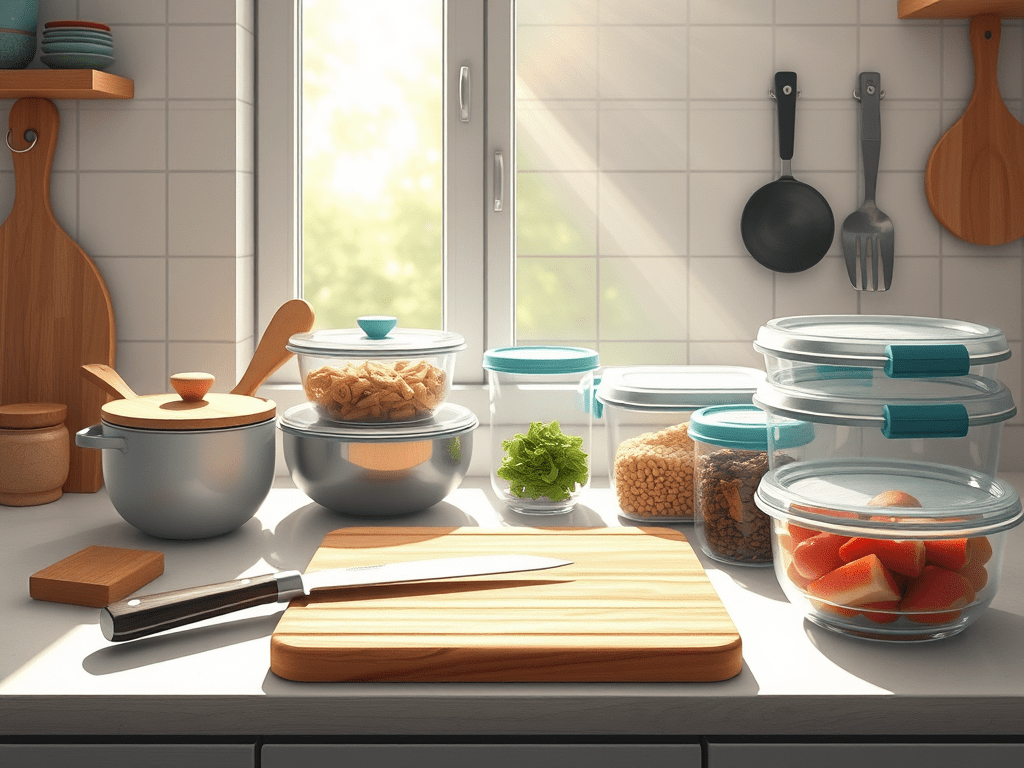
Food preparation and storage are essential skills for anyone interested in maintaining a healthy diet, reducing waste, and ensuring food safety. This guide covers everything from the basics of food prep to advanced storage techniques, helping you create a sustainable and efficient food system in your home.
1. Understanding Food Preparation
1.1 The Importance of Food Prep
- Health Benefits: Prepping meals can lead to healthier eating habits, reducing reliance on convenience foods.
- Time-Saving: Preparing ingredients in advance can save time during busy weekdays.
- Cost Efficiency: Buying and preparing in bulk can lower grocery bills and minimize waste.
1.2 Essential Tools and Equipment
- Cutting Board: A sturdy, easy-to-clean surface for chopping.
- Knives: A chef’s knife, paring knife, and serrated knife are fundamental.
- Mixing Bowls: Various sizes for mixing, marinating, and storing.
- Measuring Cups and Spoons: For precise ingredient amounts.
- Food Processor or Blender: Useful for pureeing, chopping, and mixing.
- Containers: Airtight containers for storing prepared ingredients and leftovers.
2. Food Preparation Techniques
2.1 Basic Techniques
- Chopping and Slicing: Learn knife skills for efficient chopping, dicing, and slicing.
- Mise en Place: Gather and prepare all ingredients before cooking to streamline the process.
- Marinating: Enhance flavors by soaking ingredients in a mixture of oils, acids, and seasonings.
2.2 Cooking Techniques
- Boiling: Cook food in water or broth at high temperatures.
- Sautéing: Quickly cook food in a small amount of oil over high heat.
- Baking and Roasting: Cook food evenly using dry heat in an oven.
- Steaming: Cook food with steam for healthy, nutrient-retaining results.
- Fermenting: Preserve food and enhance flavors by allowing natural fermentation.
2.3 Meal Prep Ideas
- Batch Cooking: Prepare large quantities of meals to portion and freeze for later.
- One-Pot Meals: Simplify cooking and cleanup with meals that combine all ingredients in one pot.
- Snack Packs: Pre-portion healthy snacks like nuts, fruits, or veggies for easy access.
3. Food Storage Basics
3.1 Types of Food Storage
- Refrigeration: Keeps perishable foods fresh for a limited time.
- Freezing: Preserves food for longer periods by stopping bacterial growth.
- Canning: Seals food in airtight containers to prevent spoilage.
- Dehydrating: Removes moisture from food to inhibit mold and bacteria growth.
- Fermentation: Preserves food through controlled bacterial growth.
3.2 Food Storage Guidelines
- Temperature Control: Maintain proper temperatures for different food types. Refrigerators should be at or below 40°F (4°C) and freezers at 0°F (-18°C).
- Use by Dates: Understand expiration dates, sell-by dates, and best-by dates to manage your pantry effectively.
4. Specific Food Storage Techniques
4.1 Refrigeration
- Best Practices:
- Store foods in airtight containers to prevent cross-contamination and spoilage.
- Keep the refrigerator organized, placing raw meats on the bottom shelf to avoid drips onto other foods.
- Regularly check for expired items and clean the fridge monthly.
4.2 Freezing
- Freezing Tips:
- Use freezer-safe bags or containers, leaving space for expansion.
- Label items with the date and contents for easy identification.
- Flash freeze items like fruits and veggies on a baking sheet before transferring them to bags for better preservation.
4.3 Canning
- Canning Process:
- Choose fresh, high-quality produce for canning.
- Use a pressure canner for low-acid foods (e.g., vegetables, meats) and a water bath for high-acid foods (e.g., fruits, pickles).
- Ensure jars are sterilized, and follow proper sealing techniques to prevent spoilage.
4.4 Dehydrating
- Dehydrating Techniques:
- Use a food dehydrator or an oven on low heat to remove moisture.
- Slice foods uniformly to ensure even drying.
- Store dried foods in airtight containers in a cool, dark place.
4.5 Fermentation
- Fermentation Process:
- Use glass jars for fermenting vegetables, ensuring the food is submerged in brine.
- Monitor the fermentation process for signs of bubbling and souring.
- Store fermented foods in the refrigerator after achieving the desired flavor.
5. Common Foods and Their Storage Tips
5.1 Fruits and Vegetables
- Storage: Keep some fruits (like bananas) at room temperature, while others (like berries) should be refrigerated.
- Preservation: Consider canning or freezing excess produce.
5.2 Grains and Legumes
- Storage: Store in airtight containers in a cool, dark place to prevent pests and spoilage.
- Shelf Life: Whole grains have a shorter shelf life than refined grains due to their oil content.
5.3 Dairy Products
- Storage: Keep dairy in the coldest part of the fridge.
- Usage: Consume or freeze dairy products before their expiration dates to minimize waste.
5.4 Meats and Proteins
- Refrigeration: Store raw meats at the bottom of the fridge, ideally in their original packaging.
- Freezing: Wrap tightly in plastic or vacuum-seal to prevent freezer burn.
6. Food Safety Tips
- Handwashing: Always wash your hands before and after handling food.
- Cross-Contamination: Use separate cutting boards for raw meats and other foods.
- Cooking Temperatures: Use a food thermometer to ensure foods are cooked to safe temperatures (e.g., poultry at 165°F/74°C).
Mastering food preparation and storage can transform your cooking experience, enhance your diet, and promote sustainability. By following these guidelines, you’ll be better equipped to prepare, preserve, and enjoy a variety of foods safely and efficiently. Whether you’re cooking for yourself, your family, or for emergencies, these skills will serve you well in any situation.
 inTHEknow