In times of crisis, whether it’s a natural disaster or a societal breakdown, having a reliable network of neighbors and community members can be invaluable. Building a strong support system not only enhances individual preparedness but also fosters resilience within the community. Here’s how to create and maintain an effective network for sharing information during emergencies.
1. Establishing Communication Channels
- Group Meetings: Organize regular meetings to discuss preparedness plans, share resources, and exchange contact information. This could be a monthly gathering in someone’s home or a community center.
- Digital Platforms: Utilize social media groups, messaging apps (like WhatsApp or Signal), or community forums to facilitate quick communication. Establish a dedicated group for emergency alerts and information sharing.
- Phone Trees: Create a phone tree where one person can quickly inform several others. This is especially useful for those without internet access.
2. Sharing Resources and Skills
- Skill Inventory: Identify the skills and resources available within the community. This could include first aid training, gardening, food preservation, or even access to tools and equipment.
- Resource Pooling: Consider pooling resources such as food supplies, medical kits, or equipment like generators. This collective resource management can help everyone weather emergencies more effectively.
3. Information Sharing and Alerts
- Local Alerts: Stay informed about local weather reports, emergency services updates, and community alerts. Share this information promptly through your network.
- Emergency Plans: Discuss and create a community emergency plan. This could involve evacuation routes, meeting points, and how to care for vulnerable members of the community.
- Training Sessions: Host training sessions on emergency preparedness topics, such as first aid, fire safety, or self-defense. This knowledge can empower community members and enhance collective safety.
4. Building Trust and Relationships
- Neighborhood Events: Organize social gatherings like barbecues, potlucks, or game nights to strengthen relationships among community members. Trust is crucial during emergencies.
- Regular Check-Ins: Maintain regular communication, even outside of emergencies. Check in on elderly neighbors or those who may need assistance. This builds a sense of community and preparedness.
5. Establishing Roles and Responsibilities
- Designate Leaders: Identify trusted individuals to take on leadership roles within the network. These leaders can help coordinate efforts, manage resources, and serve as points of contact.
- Task Assignments: Assign specific tasks to community members based on their skills or resources. For example, someone with medical training can lead first aid efforts, while someone with gardening skills can help with food production.
6. Creating a Response Plan
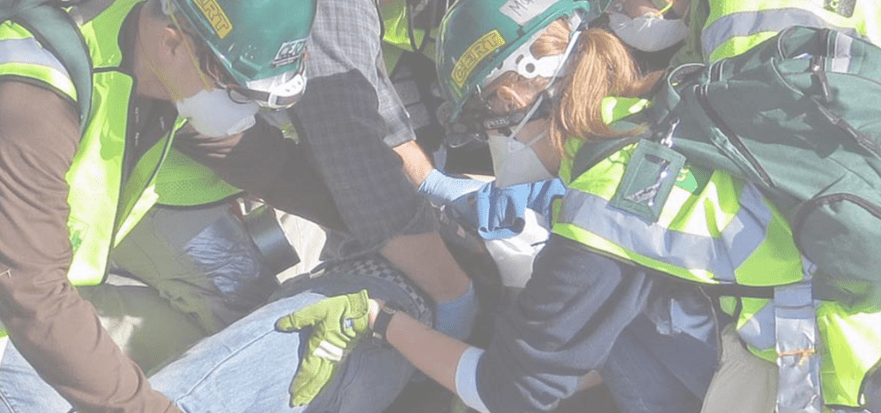
- Emergency Response Team: Form a small team within the network dedicated to coordinating responses during an emergency. This team can lead communication efforts and mobilize resources quickly.
- Community Drill: Conduct practice drills to ensure everyone knows the plan and their role. This can help familiarize community members with the process and build confidence.
7. Long-Term Sustainability
- Regular Updates: Keep the network active with regular updates, training, and social events. This ensures that relationships remain strong and everyone stays informed.
- Adapt and Evolve: Be open to adapting the network as needs change or as new members join. Continuous improvement can enhance the effectiveness of your community preparedness efforts.
Creating a network with neighbors and community members is a proactive step toward ensuring safety and preparedness during emergencies. By establishing communication channels, sharing resources, and fostering strong relationships, your community can become a resilient unit capable of weathering any storm. In times of crisis, having a reliable network not only improves individual preparedness but also strengthens the fabric of the entire community.
 inTHEknow