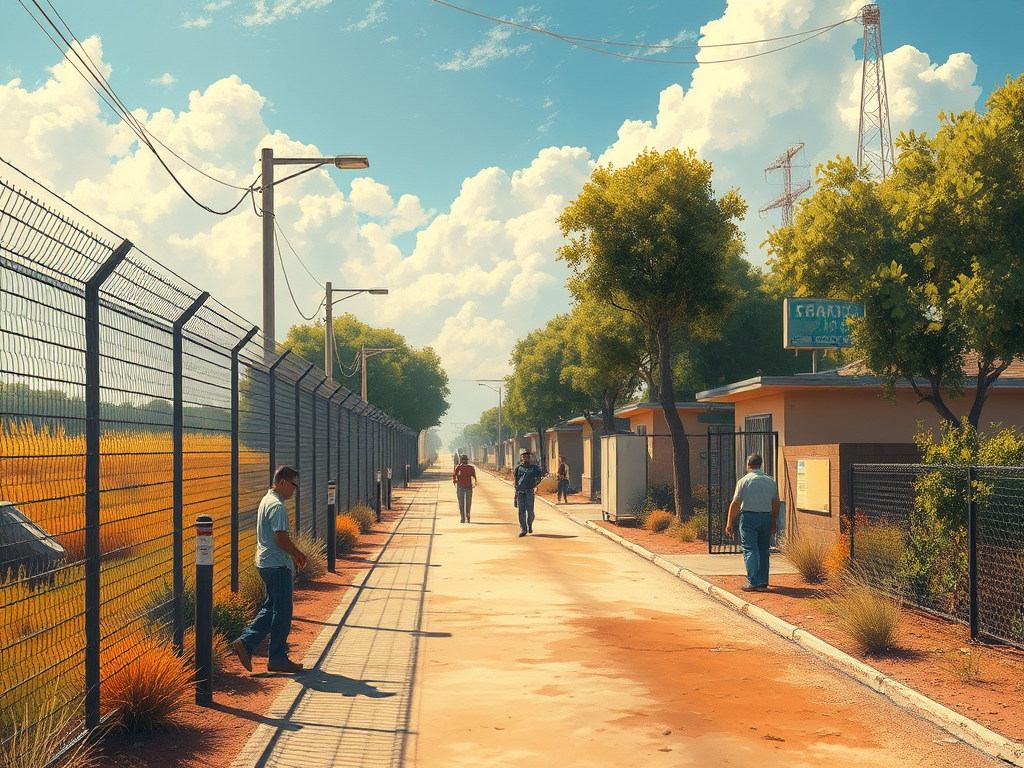
These strategies combine personal security measures, property protection, community coordination, and emergency preparedness.
Comprehensive Border-Area Preparedness and Security Plan
Strengthen Home and Property Security
• Install Physical Barriers: Build sturdy fencing or barriers around your property, with a second perimeter fence if possible, to provide a buffer zone. Thorny or dense landscaping along property lines can further deter trespassers.
• Deploy Advanced Surveillance: Use motion-activated lights, security cameras, and even personal drones for real-time monitoring. Thermal or infrared cameras can detect nighttime movement, and networked cameras with neighbors create a community-wide security network.
• Reinforce Entry Points: Strengthen doors and windows with deadbolts, reinforced doors, and shatter-resistant film to make unauthorized entry more difficult.
• Invest in Alarm Systems: Install wireless alarm systems connected to a local monitoring service for fast response. Sound alarms or sirens can further deter intruders.
Enhance Community Awareness and Coordination
• Form a Community Watch Group: Coordinate with neighbors to establish a neighborhood watch program, monitoring suspicious activity and sharing information. Regular check-ins using two-way radios ensure reliable communication, even if cell networks fail.
• Create a Community Alert System: Use private groups on secure apps (like Signal or WhatsApp) for real-time alerts and updates. This builds a strong network for sharing critical information.
• Engage with Local Authorities: Work with Border Patrol, local law enforcement, and government representatives. Request increased patrols during high-risk times and invite officials to educate residents on spotting and reporting threats effectively.
Prepare for Emergencies and Self-Sufficiency
• Stock Long-Term Supplies: Store an extended supply of food, water, medical items, and other essentials. An independent water source, such as a rainwater collection system with filtration, ensures self-sufficiency in case of supply disruptions.
• Set Up Backup Power: Invest in solar panels, batteries, or a generator for backup power. These sources help keep your security systems, lights, and communication devices operational if infrastructure fails.
• Maintain a Ready Vehicle and Go-Bag: Keep your vehicle fueled and stocked with emergency essentials. A “go bag” with a flashlight, chargers, and documents ensures you’re ready for rapid evacuation.
Self-Defense and Personal Safety
• Training and Preparedness: Enroll in self-defense courses and firearm training if you choose to have firearms, ensuring you’re prepared for emergencies. Non-lethal deterrents, like pepper spray and personal alarms, provide alternatives for personal protection.
• Guard Animals: Well-trained guard dogs or animals like llamas and donkeys can alert you to intruders and provide additional property protection.
Implement Multi-Layered Property Defense
• Use Visual Deterrents: Clearly mark “No Trespassing” signs and other warning indicators around your property. Visible warnings, combined with sound alarms, signal that your property is protected.
• Guard Your Perimeter: A well-maintained fence, gates, and any natural barriers should be regularly inspected. Cameras and lighting around these boundaries add further layers of security.
Develop a Communication and Emergency Response Network
• Emergency Communication Channels: Establish emergency contacts and communication tools, like CB or HAM radios, that work during power outages or network disruptions.
• Run Emergency Drills: Conduct regular practice drills with your household and neighbors to ensure everyone knows how to respond to potential threats, whether sheltering in place or evacuating.
• Create a Safe Meeting Point: Designate a safe location where family members can meet if separated during an evacuation or emergency.
Invest in Safe Rooms or Shelters
• Build a Safe Room: If feasible, consider creating a fortified space within your home for shelter during break-ins or other high-risk situations.
• Set Up a Shelter or Secure Room: In some cases, a storm or underground shelter can serve as a secure retreat, especially in areas with slower emergency response times.
Monitor and Report Incidents Regularly
• Document Suspicious Activity: Keep a detailed log of incidents, suspicious persons, or trespassers. This record aids law enforcement in recognizing patterns and responding effectively.
• Report Activity to Authorities and Neighbors: Timely reports to law enforcement and your community network help keep everyone informed and vigilant.
Advocate for Community Security
• Engage with Local Government: Work with local officials to secure funding for community watch programs, security grants, or increased emergency services.
• Form a Response Coalition: A coalition of concerned neighbors can pool resources and influence discussions with local and federal representatives about border-related safety measures.
Prepare for Evacuation and Contingencies
• Map Out Multiple Evacuation Routes: Identify alternative paths for evacuation in case main roads are blocked or compromised.
• Plan and Practice Evacuation: Regularly practice loading essentials and coordinating with family and neighbors for rapid evacuation if necessary.
• Use Checklists for Critical Supplies: Ensure that emergency supplies, medical kits, and important documents are organized and ready for quick access during an evacuation.
Residents along the southern border can take a proactive approach to enhance safety and preparedness through a combination of personal security upgrades, community coordination, emergency preparedness, and strategic planning. By strengthening home defenses, establishing a robust communication network, and maintaining close ties with law enforcement and neighbors, border-area residents can increase their resilience to potential security challenges and improve overall safety for themselves and their community.
 inTHEknow