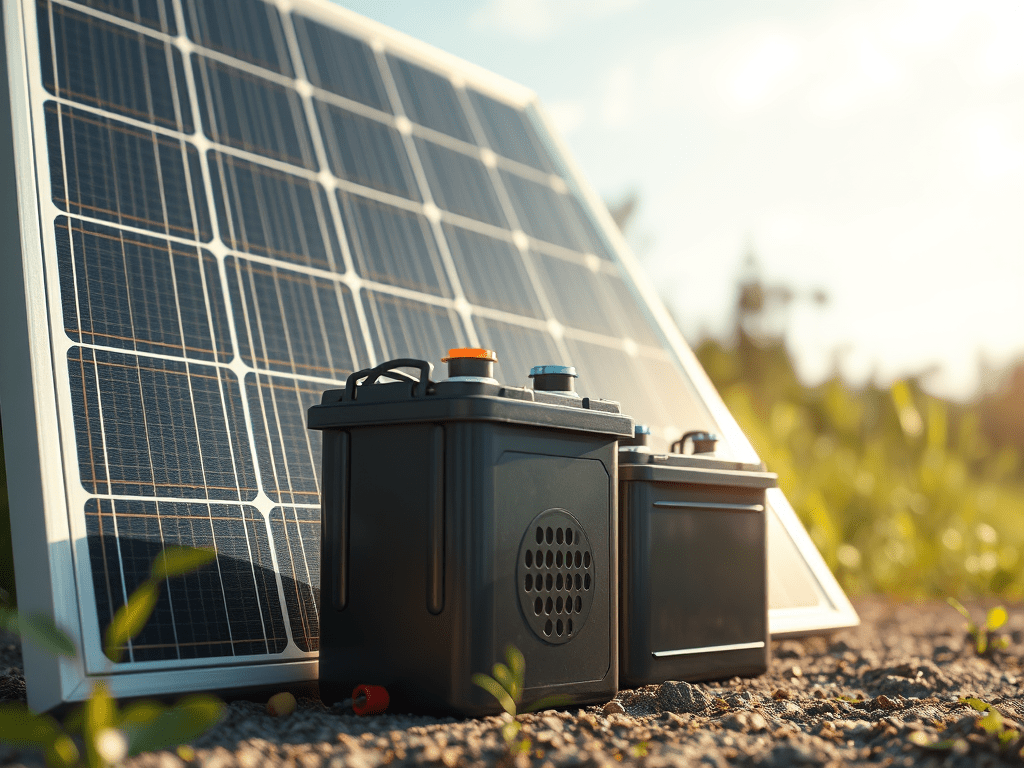
During a natural disaster or emergency, solar power can be an invaluable resource for providing energy when traditional power sources fail. Here’s a breakdown of the key benefits of solar power during such situations and why it can offer distinct advantages over gasoline-powered generators.
Benefits of Solar Power in a Natural Disaster or Emergency
1. Reliable Power Supply in Extended Outages
When traditional electricity grids go down due to hurricanes, earthquakes, wildfires, or other disasters, solar power can provide an independent source of energy. A solar generator or inverter connected to solar panels captures sunlight and stores it in batteries, allowing you to continue powering essential devices like lights, refrigerators, and communication tools.
2. No Need for Fuel Supply
One of the primary challenges during a disaster is accessing gasoline. Fuel shortages are common in emergencies, either because gas stations lose power themselves, supply chains are interrupted, or demand exceeds supply. In addition, long lines or travel restrictions can make getting fuel difficult. Solar power bypasses the need for gasoline or other fuels, as it uses sunlight to generate energy—an abundant and renewable resource.
3. Low Maintenance and Long-Term Viability
Unlike gasoline-powered generators, which require regular refueling and upkeep, solar generators have no moving parts, meaning they require less maintenance. Solar panels can continue generating power as long as there is sunlight, making them a sustainable energy solution for extended emergencies. This is especially helpful when repairs to power grids may take weeks or months.
4. Quiet and Stealthy Operation
Gas-powered generators are noisy, drawing attention to your home, especially when the surrounding area is without power. In contrast, solar generators operate silently. This is a major benefit during emergencies where resources may be scarce, and you want to avoid attracting attention from neighbors or looters who may be desperate for power.
In some disasters, people may become desperate enough to seek out resources from others. If your home is the only one with power due to a loud gas generator, it could draw unwanted attention from people looking for assistance or even those who may attempt to take your supplies.
5. Off-Grid Capability
Solar power allows you to stay off the grid entirely during a disaster. Unlike gas generators, which depend on a continuous fuel supply, solar energy can sustain your home for long periods as long as you have adequate battery storage to keep things running during the night or cloudy weather. Being self-reliant reduces your dependency on external fuel or utility companies that may not be operational during a crisis.
6. Environmentally Friendly and Safe
Solar power generates clean energy without emitting harmful gases or pollutants. Gasoline-powered generators produce carbon monoxide and other emissions, which can be dangerous, especially in confined or poorly ventilated spaces. In the chaos of a disaster, the last thing you need is to deal with harmful fumes or health risks from burning fuel. Solar power provides a safer and cleaner alternative.
7. No Risk of Fuel Theft
In prolonged emergencies, fuel can become a highly valuable commodity. Those with gasoline reserves may face the risk of theft or confrontation over access to fuel. Since solar power requires no physical fuel, it eliminates the worry of people trying to take what you have stored, further protecting your household.
Why Gasoline May Not Be Readily Available During a Disaster• Supply Chain Disruptions: Natural disasters often damage infrastructure, such as roads, bridges, and gas stations, disrupting fuel delivery systems. Tanker trucks may be unable to reach affected areas, leading to fuel shortages. • Power Outages at Fuel Stations: Many gas stations rely on electricity to operate pumps. If the local grid is down, gas stations cannot dispense fuel, even if they have reserves. • Increased Demand: In the aftermath of a disaster, fuel demand spikes as people use gasoline for transportation, power generators, and emergency services. This sudden surge can quickly deplete local supplies. • Long Lines and Fuel Rationing: Gas stations that are still functional may impose fuel rationing due to high demand. Long lines at stations can cause delays, and there’s a chance of running out before it’s your turn to refuel.
Solar Generators Can Help Keep People Away
When resources like fuel are scarce, a solar generator’s quiet operation provides discretion, helping you avoid drawing attention to your home. In desperate times, people may flock to houses that have power, especially if it’s obvious that you have a running generator. The loud noise of gas-powered generators can act as a signal that someone has resources, making you a target.
With solar energy, you’re much more likely to maintain privacy, as solar panels and inverters don’t produce noise or require visible fuel deliveries. This offers the dual benefit of keeping your family safe and ensuring that you don’t have to deal with potential confrontations over access to power.
Conclusion
Solar power provides a reliable, sustainable, and discreet solution for powering your home during a disaster. Unlike gas-powered generators, solar panels and inverters don’t rely on finite resources like gasoline, which may be hard to come by in an emergency. With quiet, long-term functionality, solar systems ensure your home stays powered without drawing unwanted attention from others who may be seeking resources. For anyone looking to increase self-reliance and safety during a disaster, a solar generator or inverter offers significant advantages.
 inTHEknow