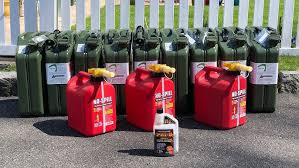
Storing gasoline and diesel for the long term can be a crucial part of emergency preparedness, especially for those living in rural areas or managing homesteads. Proper storage ensures that these fuels remain usable when you need them most, but it requires careful attention to safety, environmental considerations, and best practices. This article will cover the essentials of long-term fuel storage, including the types of containers to use, storage conditions, and maintenance tips.
Understanding Fuel Degradation
Before diving into storage techniques, it’s essential to understand how fuels degrade over time. Gasoline can begin to degrade within a few months, primarily due to the evaporation of lighter hydrocarbons and the formation of gum and varnish. Diesel, while generally more stable than gasoline, can still suffer from microbial growth, water contamination, and oxidation.
Factors Affecting Fuel Stability
- Exposure to Air: Oxygen can promote oxidation, leading to the formation of sludge.
- Temperature Fluctuations: Extreme temperatures can accelerate degradation.
- Moisture: Water can lead to microbial growth and phase separation in gasoline.
- Sunlight: UV rays can break down the chemical composition of fuels.
Choosing the Right Containers
Gasoline Storage
- Containers: Use approved safety containers made of metal or high-density polyethylene (HDPE). These containers should be clearly marked and designed for gasoline storage.
- Capacity: Choose containers that hold no more than 5 gallons to facilitate easy handling and minimize the risk of spills. If you storage in larger containers ensure they use a hose and nozzle to dispense fuel.
Diesel Storage
- Containers: Similar to gasoline, diesel should be stored in approved containers. However, larger tanks, such as above-ground storage tanks or drums, can be used for diesel due to its stability.
- Ventilation: Ensure containers for diesel have proper ventilation to prevent pressure buildup.
Storage Conditions
Location
- Indoor vs. Outdoor: Store fuels in a cool, dry, and well-ventilated area. Indoor storage is preferable, away from heat sources and direct sunlight.
- Distance from Living Areas: Keep fuel storage areas away from living spaces to minimize the risk of fire hazards.
Temperature
- Ideal Range: Store fuels at temperatures between 50°F and 70°F. Avoid extreme heat or cold, as both can negatively impact fuel stability.
Adding Stabilizers
Using fuel stabilizers can significantly extend the shelf life of both gasoline and diesel. These additives help to prevent oxidation and the formation of gum and varnish.
- Gasoline: Fuel stabilizers can extend gasoline life up to 12 months or more, depending on the product. Follow the manufacturer’s instructions for dosage.
- Diesel: Diesel fuel stabilizers can help prevent microbial growth and improve the fuel’s performance over time.
Maintenance and Monitoring
- Regular Checks: Periodically check the fuel containers for leaks, rust, or other signs of degradation. Ensure that the seals are intact and that the containers are in good condition.
- Rotate Stock: Use the oldest fuel first and replace it regularly. This practice, known as “first in, first out” (FIFO), helps ensure that you are always using fresh fuel.
- Visual Inspection: Look for any signs of contamination, such as sediment at the bottom of the container or water separation in gasoline.
Safety Considerations
- Proper Labeling: Clearly label all fuel containers to prevent accidental misuse.
- Fire Safety: Store fuels away from open flames, heat sources, and electrical equipment. Keep fire extinguishers readily available in the storage area.
- Legal Compliance: Check local regulations regarding fuel storage to ensure compliance with safety and environmental laws.
Conclusion
Long-term storage of gasoline and diesel is an important part of emergency preparedness and homesteading. By choosing the right containers, storing fuels in optimal conditions, using stabilizers, and regularly monitoring the stored fuel, you can ensure that your fuel remains viable for when you need it most. Always prioritize safety and legality in your storage practices to protect yourself and your environment.
 inTHEknow