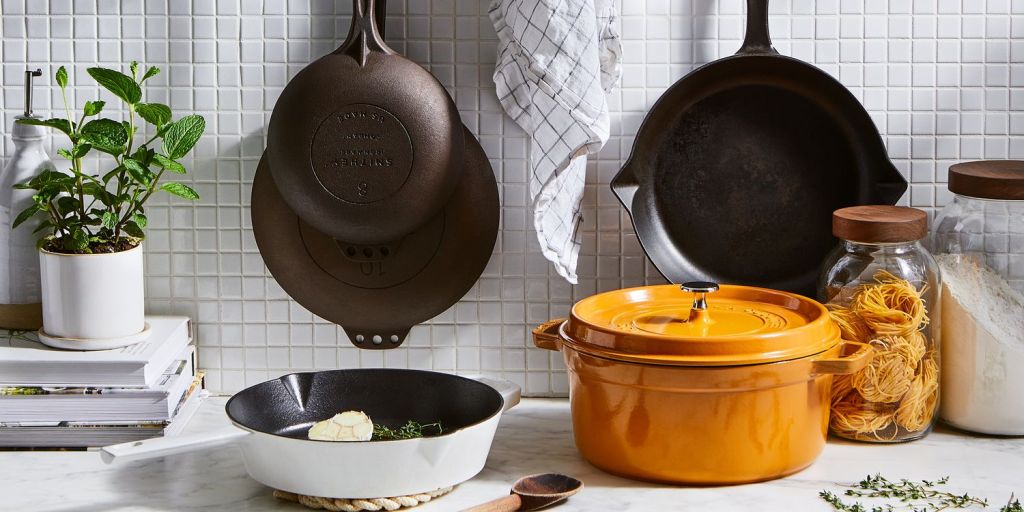
Cast iron cookware is a beloved staple in kitchens around the world, prized for its durability, heat retention, and versatility. Whether you’re a seasoned chef or a beginner, mastering cast iron cooking can elevate your culinary skills. This guide will walk you through the basics of using, caring for, and cooking with cast iron.
1. Types of Cast Iron Cookware
Skillets
Versatile and ideal for frying, sautéing, and baking.
Dutch Ovens
Great for slow cooking, stewing, and baking bread.
Griddles
Perfect for pancakes, sandwiches, and grilling vegetables.
Baking Pans
Used for cornbread, cakes, and even pizza.
2. Choosing Your Cast Iron Cookware
- Pre-seasoned vs. Unseasoned: Most cast iron comes pre-seasoned, which means it’s been treated with oil to create a non-stick surface. If you buy unseasoned cast iron, you’ll need to season it yourself before use.
- Weight: Cast iron is heavy. Ensure you can handle the weight comfortably, especially when it’s filled with food.
3. Seasoning Your Cast Iron
What is Seasoning?
Seasoning creates a non-stick surface on cast iron by baking oil into the cookware. It helps prevent rust and enhances flavor.
How to Season
- Clean: Wash the cookware with warm, soapy water and a scrub brush to remove any factory residue. Dry thoroughly.
- Apply Oil: Use a paper towel to apply a thin layer of vegetable oil or flaxseed oil to the entire surface.
- Bake: Place the cookware upside down in an oven at 375°F (190°C) for an hour. Place a baking sheet underneath to catch drips. Let it cool in the oven.
4. Cooking with Cast Iron
Preheating
Always preheat your cast iron skillet or Dutch oven over medium heat for even cooking. You can test the heat by flicking water onto the surface—if it dances, the pan is ready.
Using Fats
Use oils with high smoke points (like vegetable or canola oil) for frying. Butter can be added for flavor, but it has a lower smoke point.
Cooking Techniques
- Searing: Great for meats. Preheat your skillet, add oil, and allow the meat to develop a crust.
- Baking: Cast iron holds heat well, making it perfect for baking bread and pizzas.
- Stovetop to Oven: Many cast iron pieces can go from stovetop to oven, allowing for versatile cooking methods.
Cleaning After Cooking
- Avoid Soap: After cooking, rinse with hot water. If needed, use a soft brush or sponge. Avoid soap, as it can strip the seasoning.
- Dry Immediately: To prevent rust, dry your cookware thoroughly and apply a light coat of oil.
5. Maintaining Your Cast Iron
Regular Seasoning
Season your cookware periodically, especially if food begins to stick or if it looks dull.
Storage
Store your cast iron cookware in a dry place. To prevent moisture buildup, place a paper towel inside to absorb humidity.
Handling Rust
If rust appears, scrub it off with steel wool, wash, dry thoroughly, and re-season.
6. Common Cast Iron Cooking Tips
- Use Utensils Wisely: Avoid metal utensils that can scratch the seasoning. Opt for wood, silicone, or plastic tools.
- Cooking Acidic Foods: While cast iron is versatile, cooking highly acidic foods (like tomatoes) can strip the seasoning. Limit their use or ensure your pan is well-seasoned.
- Experiment: Cast iron can be used on the stovetop, in the oven, or over an open fire, allowing for a range of cooking methods.
7. Recipes to Try
Skillet Cornbread
A classic recipe that highlights the even cooking of cast iron.
Dutch Oven Stew
Perfect for slow-cooking hearty meals, infusing flavors deeply.
Pan-Seared Steak
Achieve a perfect crust while keeping the inside tender and juicy.
Cast iron cooking is not only practical but also adds a touch of nostalgia to your kitchen. With proper care and techniques, your cast iron cookware can last a lifetime, improving with age. Dive into the world of cast iron cooking and discover the rich flavors and textures it brings to your meals!
 inTHEknow
Leave a comment